Protests demand lasting Iran ceasefire
Demonstrators say a two-week truce is insufficient and urge diplomacy to end conflict
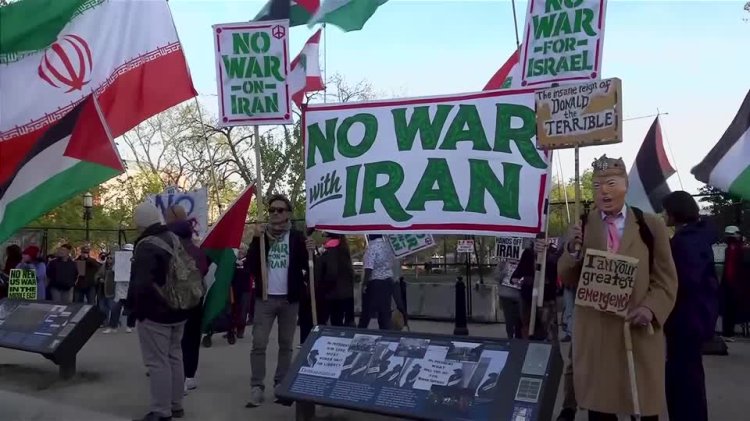
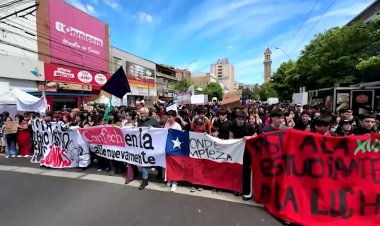
Protests demanding a “real” ceasefire and lasting peace with Iran drew demonstrators to cities including Washington, D.C., and San Francisco, where participants criticized a recently announced two-week truce as inadequate and called for an end to U.S. military involvement. Outside the White House, crowds held banners and chanted for diplomacy and de-escalation, warning that a temporary pause could be exploited to regroup militarily rather than to pursue genuine negotiations. Organizers and activists highlighted humanitarian concerns—displacement, civilian casualties and damage to infrastructure—and urged international oversight and clear commitments to ensure compliance.
In San Francisco, hundreds marched through major streets carrying Iranian, Palestinian and Lebanese flags, with protesters condemning U.S. and Israeli strikes on Iran and broader regional escalation. Demonstrations were described as part of a wider anti-war movement pressing governments to prioritize talks over force. Authorities monitored the gatherings and maintained security; there were no immediate reports of major incidents or arrests.
The protests followed an announcement that the U.S. would suspend bombing and attacks on Iran for two weeks—a move made shortly before an ultimatum tied to reopening the Strait of Hormuz—and came amid intense regional fighting that began with offensive strikes by the U.S. and Israel in late February. That campaign has been blamed for more than 1,400 deaths, including Iran’s then-Supreme Leader, and prompted Iranian drone and missile retaliations against Israel and neighboring states, along with restrictions on shipping through the strait.
Demonstrators warned that continued escalation could destabilize the region and have global economic and security repercussions, and criticized opacity around ceasefire terms—particularly whether Lebanon is included. While the U.S. and Israel have said Lebanon was not part of the truce, some intermediaries, including Pakistan, said the pause would encompass Beirut; Iran insists any ceasefire must include Lebanon. Advocacy groups said sustained public pressure and renewed diplomatic engagement with regional stakeholders are essential to address root causes and achieve a lasting settlement, otherwise the risk of renewed violence remains high.