


Oil prices plunge on ceasefire
Markets fall as Iran U.S. tensions ease
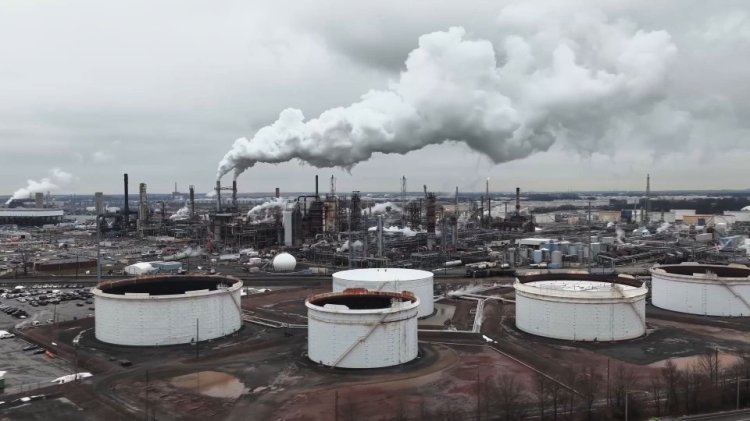
Oil and gas markets plunged after a reported ceasefire between the United States and Iran, as traders priced out the heightened risk of major supply disruptions. Brent futures fell about 15% to $92.9 and West Texas Intermediate dropped roughly 16% to $94.8, while European natural gas slipped about 20% below €43 and heating oil declined 18% to $3.66 per gallon. Energy equities also retreated as investors adjusted to a calmer geopolitical outlook.
The move followed a diplomatic push by Pakistan’s prime minister proposing a two-week truce and invitations for delegations to meet in Islamabad; U.S. leaders reportedly agreed to suspend strikes for the proposed period. Markets reacted to reduced fears that conflict would choke seaborne flows through the Strait of Hormuz or otherwise disrupt global crude shipments, prompting rapid unwinding of risk premia built during the crisis.
Analysts cautioned the ceasefire remains fragile and temporary, warning that a breakdown could swiftly reverse price declines and reintroduce volatility. Despite the drop, benchmarks stayed above pre-crisis levels, reflecting residual uncertainty and the lingering impact of earlier supply concerns.
The announcement also spurred a broad risk-on rally across Asian equity markets. Japan’s Nikkei advanced strongly, hitting its highest close since early March as bond yields eased. South Korea’s KOSPI surged nearly 7% to a mid-March high, and Hong Kong’s Hang Seng gained over 3%, with investors favoring cyclical and rate-sensitive assets on the improved geopolitical backdrop.
Market participants said they will continue to monitor diplomatic developments and shipping-channel security closely; energy prices and regional markets remain vulnerable to renewed escalation even as immediate pressures eased.