Spain buries migrants after Ceuta tragedy
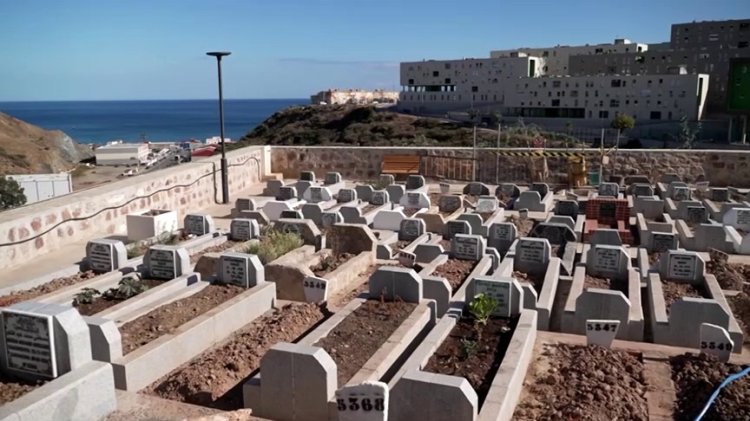
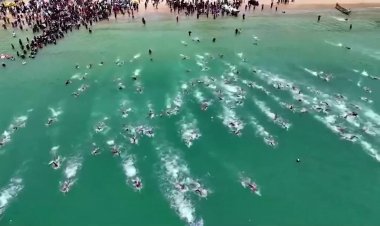
Spanish authorities have begun the solemn process of burying migrants who died during a recent mass crossing into the Spanish North African enclave of Ceuta. Burials commenced on Friday, three weeks after tens of thousands attempted to enter from Morocco in a chaotic and deadly rush. Over 80 migrants died on the Spanish side, with additional fatalities in Moroccan waters. The vast majority of those who perished, estimated to be around 95 percent, remain unidentified. Gravediggers, wearing protective gear, are interring victims in Ceuta's Muslim cemetery, with each grave meticulously marked with a numbered stone. This measure aims to facilitate potential future identification and repatriation of the bodies. Only a handful, identified as Moroccan adult males, have been confirmed. The mass influx of 50,000 to 72,000 people in late July overwhelmed Ceuta. Many died from drowning or being crushed, often swimming around breakwaters or breaching fences. Prime Minister Pedro Sánchez condemned the mass crossing as a "violation of Spain's territorial integrity," blaming human smuggling networks. Authorities deployed military personnel to reinforce border controls. The incident sparked calls from European leaders for stricter border enforcement and accelerated repatriation. Many initial arrivals were returned to Morocco, but several thousand migrants remain in Ceuta, awaiting legal status resolution. The event highlighted desperate circumstances driving dangerous journeys, fueled by misinformation, economic hardship, and lack of opportunities. The burials underscore the human cost of this persistent migration challenge at Europe's southern frontier.