U.S. prepares tougher sanctions on Iran
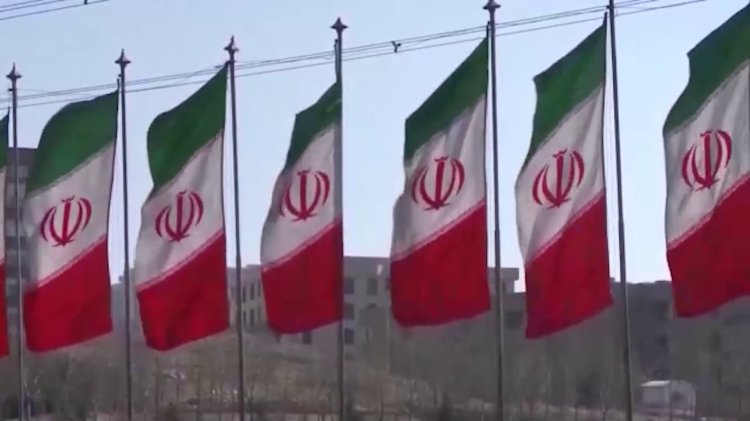
The United States and Iran traded defiant statements as Washington prepared to unveil a new round of economic sanctions aimed at Tehran and, indirectly, its major trading partners. Iran’s Foreign Ministry said the measures amount to unlawful extraterritorial pressure and an attempt to force other states, banks and companies to cut lawful ties with Iran. Tehran argued that secondary sanctions violate international law and the UN Charter.
U.S. officials signaled the package would be unusually severe, with Treasury Secretary Scott Bessent set to announce what Washington has described as the toughest sanctions yet. The measures are expected to target Iran’s oil income, financial networks and entities that continue doing business with the country, while also putting pressure on China, which buys most of Iran’s exported oil. Beijing has urged diplomacy.
Inside Iran, the threat of fresh sanctions is already feeding inflation, currency weakness and business uncertainty. Prices of food, medicine, transport and other essentials have risen, and households are cutting spending as wages fail to keep pace. Traders and import-dependent businesses are struggling with unstable exchange rates, higher costs and difficulties securing foreign currency, raising fears that living costs will climb further.
Tehran says it will resist the pressure and protect essential supplies through domestic production and trade with willing partners. But economists warn that more restrictions could further damage export earnings and deepen strain on the rial. With conflict-related disruptions and regional trade tensions still unresolved, many Iranians now fear a new wave of price increases and a harsher cost-of-living crisis.