Spain moves migrants from Ceuta beaches
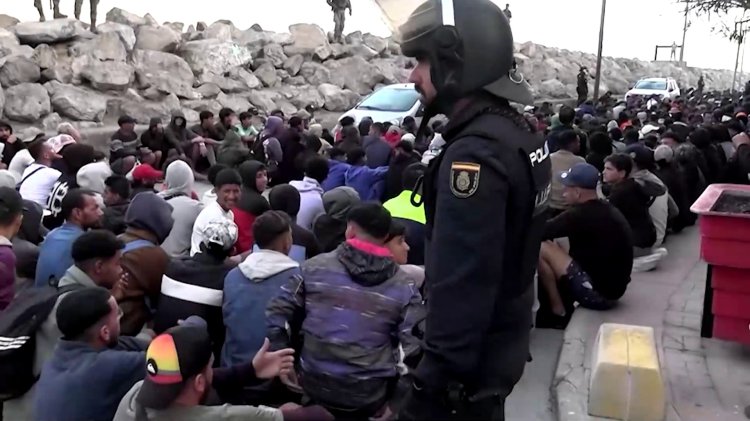
Spanish police have commenced an operation to relocate hundreds of migrants from the beaches of Ceuta. They are being transferred to new temporary facilities at the port. The action follows an unprecedented influx in late July, when over seventy thousand people, primarily from Morocco, streamed into the Spanish North African enclave. While the majority of those who arrived in July were subsequently returned, thousands remained in Ceuta, often sleeping in public areas and on its beaches. The operation involved a substantial police presence, centralizing migrants for identification and care. Chaos marked initial scenes, with reports of a stampede as migrants vied for places at the new tented site, with a capacity for 1,700 individuals. Police discharged warning shots into the air to manage the crowds during the transfer. The mass arrivals in July placed immense strain on Ceuta's municipal resources and ignited diplomatic tensions. Some observers suggested Morocco relaxed its border controls, contributing to the surge. Deteriorating living conditions and the visible presence of thousands of migrants fueled near-daily protests by local residents, concerned about public order and the humanitarian crisis. The Spanish government has faced considerable criticism for its handling. The issue generated extensive EU debate on external border integrity and migration policy. Thousands of migrants are estimated to remain within the 18.5-square-kilometre territory. Temporary accommodation in Ceuta has expanded to 6,000 people, as efforts continue to structure the situation and improve conditions for those awaiting administrative status determination.