Starbucks pays $38.9m over scheduling case
New York finds widespread violations and workers win major restitution
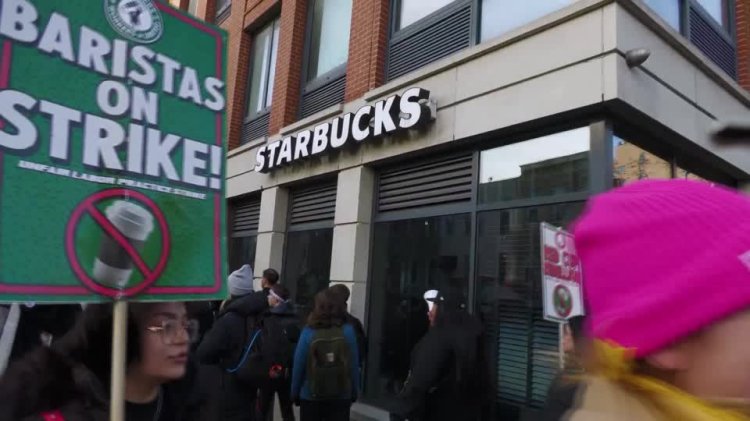
Starbucks will pay $38.9 million to resolve New York City’s finding that the chain violated the city’s fair scheduling law more than half a million times over a three-year span, city officials said. The settlement, concluding a three-year investigation, is the largest enforcement action under the worker-protection statute in the city’s history. Under the agreement, roughly 15,000 affected hourly employees will share $35.5 million in restitution, while $3.4 million will cover penalties and costs; workers will also receive a $50 payment for each week they worked between July 4, 2021, and July 7, 2024, with checks due to be distributed this winter.
The city’s probe concluded that Starbucks repeatedly failed to provide predictable schedules, cut scheduled hours without written consent, and assigned shifts to new hires without first offering them to existing staff — practices the 2017 law sought to curb by limiting on-call scheduling and last-minute changes. New York’s rule is among the earliest U.S. efforts to restrict unpredictable shift practices; other jurisdictions including Oregon, Los Angeles, Chicago and San Francisco have adopted similar measures. Business groups have argued such rules are difficult to implement and can prompt employers to reduce staffing.
The settlement came amid an active labor push by Starbucks Workers United, whose “Red Cup Rebellion” strikes have spread to dozens of cities. High-profile solidarity at a Brooklyn picket line underscored the dispute’s political resonance: mayor-elect Zohran Mamdani joined striking baristas, calling their demands “for decency,” while Senator Bernie Sanders backed workers’ criticism of corporate practices and alleged union-busting. Organizers are pressing for broader contract changes, including higher pay and scheduling reforms, and the nationwide strike continues despite the monetary settlement in New York.
Starbucks issued a statement saying it supports the law’s intent but noted compliance can be challenging in dynamic retail operations, citing routine adjustments — such as an employee calling out and another covering that time or small shift timing changes — that the law can classify as violations even when overall hours and pay are unchanged. City officials and labor advocates framed the agreement as both accountability for past practices and a deterrent against future scheduling abuses, while also signaling the need for continued negotiations over working conditions across the company’s U.S. footprint.
The payout and prominent political backing have amplified attention on scheduling fairness and broader labor rights in the service sector, highlighting tensions between corporate operating flexibility and employee demands for predictable, stable work.