China upgrades travel tech for rush
Smart systems speed Spring Festival trips
Railway stations and airports across China have deployed upgraded technologies to handle the Spring Festival travel rush, aiming to speed processing, enhance safety and manage record passenger flows. Stations report notable efficiency gains from new equipment: Xi’an Railway Station’s leg scanner 2.0 and an upgraded security sorting machine increased security‑check throughput by 40% and 30% respectively, while Chengdu Railway Station installed a lost‑and‑found device that retrieves items within seconds.
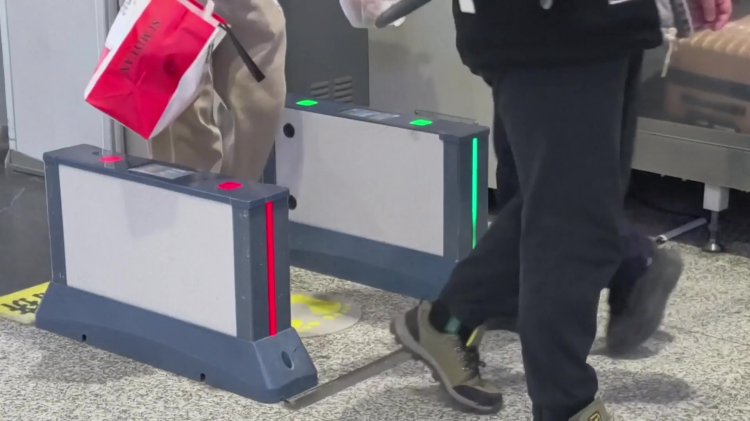
Authorities and companies are using a suite of digital and automated systems—AI‑powered ticketing and scheduling, facial‑recognition gates, robotic service assistants, real‑time crowd‑monitoring cameras and sensors, and advanced baggage‑sorting—to reduce queues and free staff for complex tasks. Facial recognition-enabled gates and biometric boarding allow travelers to pass without repeatedly presenting documents as systems match ID and booking data in real time. Smart monitoring and big‑data platforms predict peak flows, prompt deployment of extra staff or gates, and guide traffic to prevent bottlenecks.
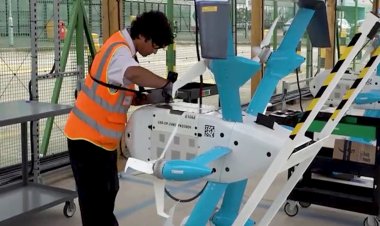
Service robots with interactive screens help with directions and assist elderly passengers; maintenance drones and real‑time train‑performance monitoring support safety and punctuality on high‑speed lines. Mobile apps remain central—enabling bookings, itinerary changes and push updates—while integrated digital payments reduce cash handling. Logistics also benefit: smart warehousing, automated delivery vehicles and unmanned urban delivery robots help process the seasonal surge in parcels.
Weather‑forecasting tools and AI models provide early warnings of disruptive conditions such as snow or fog, allowing proactive schedule adjustments and infrastructure responses like de‑icing. Officials say these measures reflect sustained investment in smart transport infrastructure and that the holiday period serves as a stress test for system resilience and coordination.
Passengers report faster processing and clearer information but some express concern over biometric data privacy and security; authorities assert compliance with national cybersecurity rules and data‑protection measures. Analysts and officials caution that technology cannot fully eliminate peak‑period congestion but substantially improves responsiveness and coordination. Continuous user feedback via apps is used to refine systems for future seasons.