

Trump meets Merz on Iran crisis
Leaders discuss conflict escalation and transatlantic ties
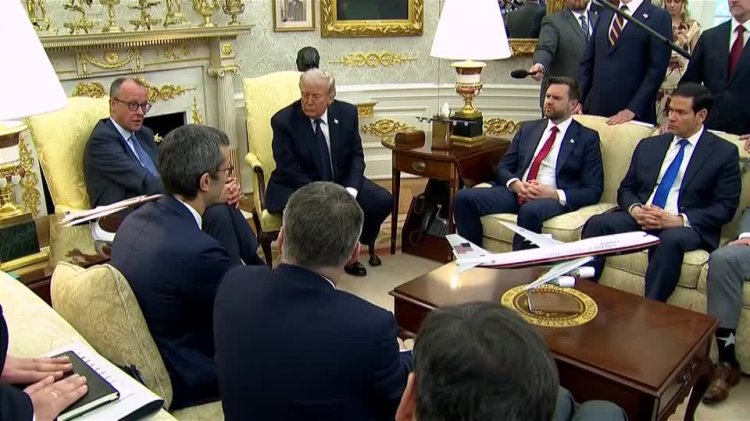
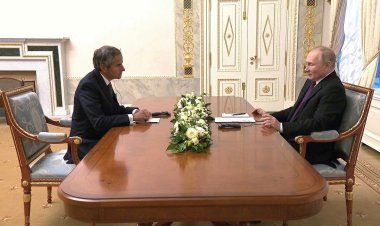
U.S. President Donald Trump hosted German CDU leader Friedrich Merz at the White House for talks centered on the widening U.S.-Israel campaign against Iran, transatlantic cooperation and trade. Speaking in the Oval Office, Trump said the leaders would discuss the conflict and noted Germany had “been helping out,” including permitting U.S. forces to land in “certain areas,” while stressing Washington had not requested German troop deployments. Merz affirmed a shared desire with the United States to remove Iran’s current regime.
Trump told reporters the U.S. military had struck numerous Iranian naval and air targets, asserting “just about everything has been knocked out,” and said he ordered the attacks to preempt an anticipated Iranian assault—remarks offered without presenting supporting evidence. He added that Iran continued to fire missiles but predicted Tehran would eventually lose that capability as a result of sustained assault. The comments followed stalled negotiations over Iran’s nuclear programme, despite reports Iran had expected further talks with U.S. envoys after meetings in Geneva.
Beyond security, the meeting addressed economic ties and trade, with Trump reiterating long-standing calls for European partners to shoulder more defense responsibilities and emphasizing economic competitiveness. Merz highlighted the importance of strong transatlantic relations for addressing energy security, defense cooperation and broader geopolitical instability, positioning Germany as a key economic partner.
Analysts view the encounter as indicative of continued high-level coordination among Western leaders amid escalating regional tensions. No formal agreements were announced; both sides framed the visit as a reaffirmation of dialogue and collaboration. Observers noted the meeting’s dual focus—immediate security measures against Iran and longer-term economic and defense cooperation—underscores the complexity of Western responses as military action and diplomacy proceed in parallel.