Cuba blackout plunges island
Nationwide outage disrupts key services
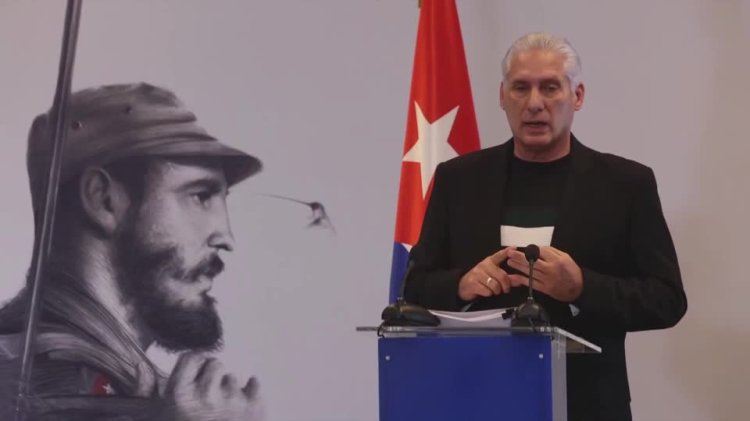
Cuba’s national power grid collapsed, plunging millions into darkness and prompting emergency measures as authorities scrambled to restore electricity across the island. Major cities including Havana experienced widespread outages that disrupted hospitals, water and sewage systems, public transportation and communications, with reports of food spoilage, interruptions to medical care and strains on emergency services. Repair crews were deployed nationwide, but officials cautioned that full restoration could take time given the scale of the breakdown.
Cuban leaders blamed the blackout on aging infrastructure, fuel shortages and technical failures within the power system, and argued that longstanding U.S. sanctions have hampered access to spare parts, investment and equipment needed for modernization and maintenance. Havana accused Washington of exacerbating the crisis through economic restrictions. U.S. officials urged transparency about the causes and expressed concern over the humanitarian impact but rejected claims that sanctions alone were responsible, pointing instead to structural inefficiencies in Cuba’s state-run economy.
The outage has heightened political tensions and raised fears of social unrest, with analysts warning that prolonged disruptions to basic services could fuel protests and deepen economic hardship. International observers and humanitarian groups called for calm and urged respect for civilian protections while restoration efforts continue. Diplomats signalled concern over the potential for the crisis to further strain already limited U.S.–Cuba engagement, even as some countries and organizations offered technical assistance.
On the ground, residents reported interrupted water supplies, limited access to medical treatments dependent on electricity, and crowded streets as people sought charging points and essential goods. Hospitals implemented contingency plans but faced challenges keeping critical equipment running. Authorities imposed temporary measures to prioritize power for healthcare facilities and water pumping stations and to manage fuel distribution for generators.
The episode underscores vulnerabilities in Cuba’s energy system and the broader economic pressures facing the island, highlighting how infrastructure failures can quickly become political flashpoints. Government officials pledged a timeline for phased restorations and pledged investigations into the precise technical causes, while urging patience as crews work to repair damaged lines and restore stable service. The unfolding situation will test domestic resilience and diplomatic channels as both sides trade blame and the population endures significant disruption.