

Oil tops $100 as war fears grow
Hormuz disruption drives global crude surge
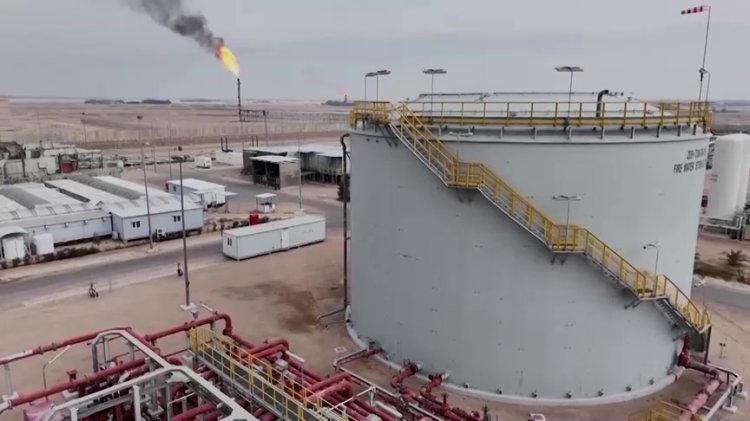
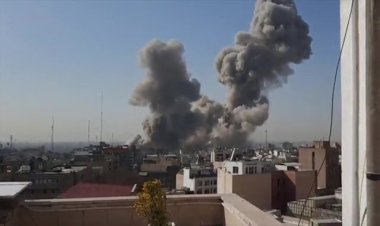
Brent and U.S. crude extended recent gains as the U.S.-Israeli campaign against Iran entered its third week, stoking fears that oil infrastructure and shipping routes could be hit and keeping the Strait of Hormuz effectively closed in the largest disruption to global supplies on record. Brent futures rose about $2.01 (1.95%) to $105.15 a barrel and U.S. West Texas Intermediate gained roughly $1.61 (1.63%) to $100.32, building on near-3-dollar advances from the prior session. Both benchmarks have climbed more than 40% this month to their highest levels since 2022 after attacks prompted Tehran to halt tanker transits through the Hormuz chokepoint, which handles roughly one-fifth of global oil shipments.
The surge followed U.S. strikes on Iranian military targets and a warning from U.S. President Donald Trump of further action against Iran’s Kharg Island oil export hub, which manages about 90% of Iran’s crude exports; Tehran signaled it would respond with additional retaliation. Markets are pricing heightened risk to terminals, pipelines and ports across the Persian Gulf, and analysts say even the prospect of damage to export infrastructure or prolonged closure of shipping lanes can sharply tighten available supplies.
Traders and energy firms have reacted by rerouting tankers, boosting security measures and factoring higher insurance and logistical costs into operations. Some market participants say prices could rise further if the conflict spreads or key facilities are struck. Central banks and governments are monitoring the situation for its inflationary implications, while major consumers retain the option of tapping strategic petroleum reserves to blunt immediate shocks.
For now, volatility persists: analysts expect price sensitivity to remain high as news flow from the region continues to shape risk assessments about production, transportation and the global oil supply balance.