Basra faces crisis as water turns saline
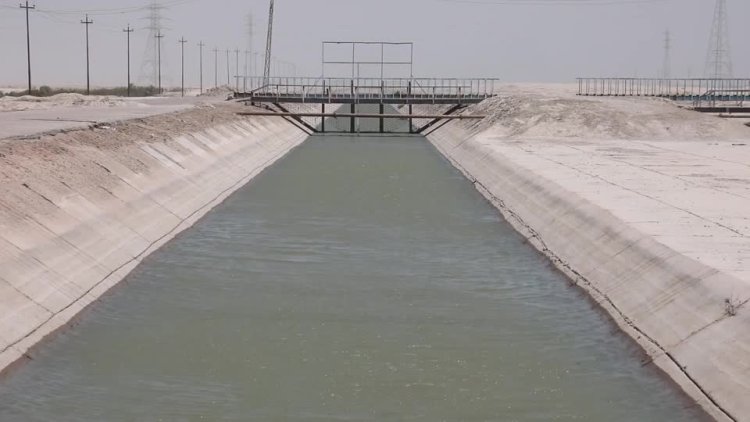
Residents of Basra, Iraq, are grappling with a severe water crisis as supplies dwindle and prices soar due to increasing salinity in the Shatt al-Arab waterway, rendering much of the city's water undrinkable. The city primarily relies on the Shatt al-Arab and water from the Tigris River, but declining upstream water flows, exacerbated by drought and dam projects in Turkey, have led to significant seawater intrusion, raising salinity levels to unprecedented heights.
Local residents report spending substantial amounts on water, with prices for a ton rising from around $5 to as much as $11. Traditional purification stations are struggling to cope with the heightened salt content, and only half of Basra’s normal water supply is currently reaching households. Water distribution has become rationed, with residents receiving supplies at set times.
The crisis is further compounded by reduced freshwater inflows due to upstream damming and unauthorized water usage, which have diminished the water share allocated to Basra. The situation has devastated agriculture and fisheries, leading to food insecurity and economic hardship, as thousands of acres of farmland lie fallow and many fish farms have ceased operations.
Public health concerns are also rising, with contaminated water supplies leading to increased hospitalizations. In 2018, over 100,000 people were hospitalized due to water-related illnesses, and current conditions risk a repeat of such public health emergencies.
In response, the Iraqi government has pledged a $3 billion seawater desalination project and smaller saltwater plants, but these are not expected to be completed for at least three years. Meanwhile, the Iraqi Red Crescent Society is operating desalination stations to provide potable water to residents. Calls for emergency measures have been made, urging the government to declare a state of emergency and expedite the deployment of mobile desalination units.