Canada approves beluga export plan
Conditional permits allow transfer to U.S. facilities amid welfare concerns
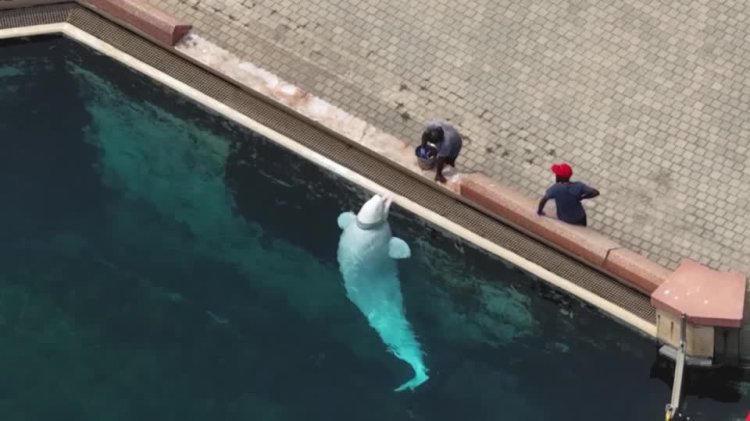
Canada has issued conditional approval for the export of 30 beluga whales and four dolphins from the closed Marineland theme park to facilities in the United States, a move framed by officials as an alternative to euthanasia but criticized by animal welfare groups that prefer sanctuary placements. Fisheries Minister Joanne Thompson said final permits will depend on additional information and independent health assessments for each animal.
Marineland warned it lacks funds to care for the animals and raised the prospect of euthanasia if export permits were not granted. The Fisheries Department previously blocked a plan to send whales to China, citing Canada’s 2019 ban on cetacean captivity for entertainment, though Marineland’s animals remain exempt under grandfathering rules. Authorities say transfers could spare the animals immediate harm, but critics contend that relocation to other captive facilities simply shifts the welfare problem.
Veterinarians and conservationists have highlighted serious health and welfare concerns among the remaining belugas, citing chronic conditions linked to long-term confinement—compromised immune systems, dental and skin problems and other age-related vulnerabilities. Transporting large marine mammals is inherently risky; sedation, confinement in containers and long-distance travel can exacerbate illnesses or prove fatal for fragile individuals. Welfare groups point to past cases where belugas deteriorated or died after relocation as grounds for extreme caution.
The Whale Sanctuary Project and other advocates are urging transparent, individual evaluations and pushing for seaside sanctuaries as the preferred long-term solution. They note that sanctuaries remain scarce and are complex to establish, especially for Arctic-adapted species like belugas. Facility operators in the United States, meanwhile, argue they can provide upgraded pools, veterinary care and enrichment that could improve many animals’ quality of life compared with aging enclosures at Marineland.
Officials say identification of suitable U.S. homes and veterinary clearances will guide decisions, and that transfers will not proceed without meeting health and welfare criteria. The controversy has drawn political attention in Canada, where recent bans and shifting public sentiment reflect growing opposition to marine mammal captivity. Critics argue that permitting exports undermines the spirit of those reforms, while supporters warn that options are limited and doing nothing could lead to worse outcomes.