

Ceuta residents protest migrant housing plans

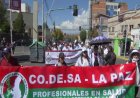
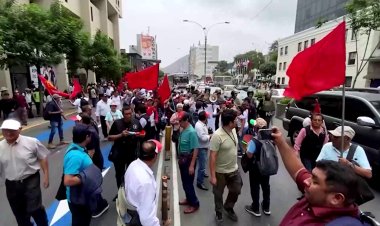
Residents in Ceuta have taken to the streets to protest the central government's management of the migration crisis. Hundreds gathered, expressing discontent over proposals to use local facilities for accommodation. These demonstrations follow a significant influx of migrants. The crisis intensified when an estimated eighty thousand people, primarily young men but also families and unaccompanied minors, crossed from Morocco into Ceuta. This massive arrival, largely by swimming or walking along the shoreline, severely overwhelmed the city's reception infrastructure. Many migrants who entered the city have since returned to Morocco, but thousands are believed to still remain in Ceuta. These individuals often live in precarious conditions on beaches or in makeshift camps, lacking adequate shelter, food, and sanitation. Human rights organizations have highlighted the dire situation for unaccompanied children, with thousands under the care of local authorities. The Spanish government has acknowledged the extraordinary circumstances. In response, Spain's central government has activated a "single command" to coordinate the crisis response. This command focuses on the return and repatriation of migrants, while upholding legal frameworks and human rights. However, local residents argue that these measures are insufficient and place an undue burden on the city's resources and services. Nevertheless, the protests underscore the profound challenges facing Ceuta as it grapples with an unprecedented emergency, demanding comprehensive solutions.