China begins trial of brain-computer implant
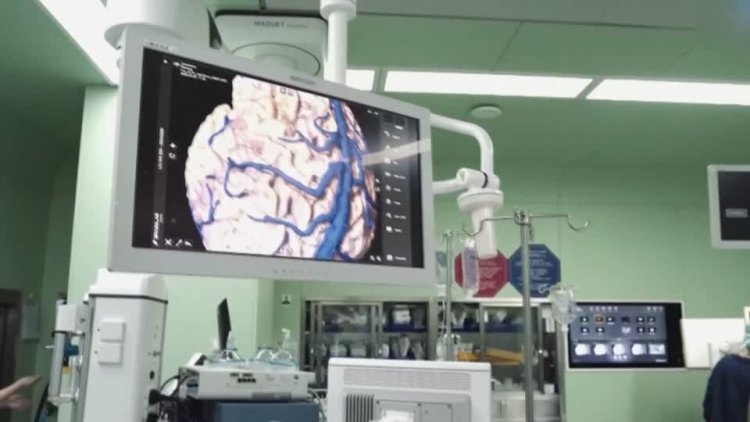
A Chinese research team has successfully launched the country's first clinical trial of an invasive brain-computer interface (BCI), marking a significant advancement in neurotechnology. Conducted by the Center for Excellence in Brain Science and Intelligence Technology in collaboration with Huashan Hospital, the trial involved implanting a wireless BCI device into a quadriplegic patient who lost all four limbs in a high-voltage electrical accident 13 years prior.
The BCI device, roughly the size of a coin, was implanted using minimally invasive surgery and features ultra-flexible neural electrodes that are just 5 to 8 mm at the tip. These electrodes are designed to detect neural activity with high precision. Remarkably, within two to three weeks post-surgery, the patient was able to control electronic devices using only his mind, successfully playing racing games and chess.
This development positions China as the second country, after the United States, to advance invasive BCI technology to the clinical trial stage. The research team aims to enhance the system's capabilities further, enabling the patient to control a robotic arm for grasping objects and potentially operate complex devices like robot dogs and intelligent robots.
The trial's success highlights China's rapid progress in BCI research, bolstered by significant investments in artificial intelligence and semiconductor technologies. The Chinese government has prioritized brain-computer systems as a key area of innovation, creating a supportive environment for advancements in this field. Looking ahead, the research team anticipates that, pending regulatory approval, the BCI system could enter the market by 2028, offering new hope for individuals with severe physical disabilities.