China wins big at drone soccer worlds
China takes both titles as the sport’s first global event ends
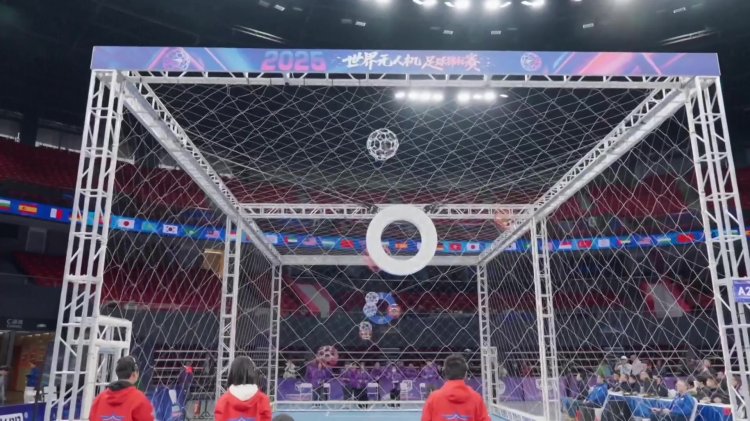
The inaugural FAI World Drone Soccer Championships concluded in Shanghai with China dominating the podium after a four‑day event that drew 46 teams from 18 countries across four continents. Hosted at Shanghai Stadium and organised by the Aero Sports Federation of China and the Shanghai Science and Technology Sports Management Center, the tournament featured two competition classes—F9A‑A (larger drone balls, five players per side) and F9A‑B (smaller drone balls, three players per side)—and showcased the sport’s blend of precision flight, tactics and rapid, spectator‑friendly action.
China secured both world titles, taking gold and silver across the two classes and underscoring its early lead in the discipline. Official results placed China’s teams at the top in each subclass, while South Korea earned bronze in both categories. Home‑nation entrants—largely composed of young pilots—benefited from strong organisation and familiar conditions, and their success reflects substantial domestic investment in drone and aeromodelling sports.
The championships tested teams in head‑to‑head matches where pilots guided enclosed drones through opponents’ goal rings under timed, rule‑driven play. The Fédération Aéronautique Internationale characterised drone soccer as its first team “head‑to‑head” air sport, and organisers highlighted the event’s broadcast readiness, with live streaming and advanced scoring systems contributing to a polished spectator experience. Footage and live coverage drew attention to tight aerial manoeuvres, rapid tactical shifts and the athletic coordination required between pilots and on‑field support.
Beyond the medals, the Shanghai meeting set standards for competition format, officiating and venue logistics for a sport still in its competitive infancy. Satellite events and training clinics ran alongside the main tournament, offering coaching, safety briefings and demonstrations aimed at building an international rulebook, fair play mechanisms and standardized equipment specifications—steps organisers said are critical to the discipline’s future growth.
Observers noted the dual implications of China’s sweep: while it cements the host nation’s status as an early powerhouse, it also presents a clear target for other national federations seeking to invest in talent pipelines, technology and coaching to close the gap. Analysts expect heightened activity in grassroots development, national trials and cross‑border exchanges as countries aim to professionalise teams, refine tactics for both F9A subclasses, and bolster technical support systems including drone maintenance and realtime telemetry.