

Iran ends cooperation pact with IAEA
Tehran terminates agreement after agency vote on uranium reporting
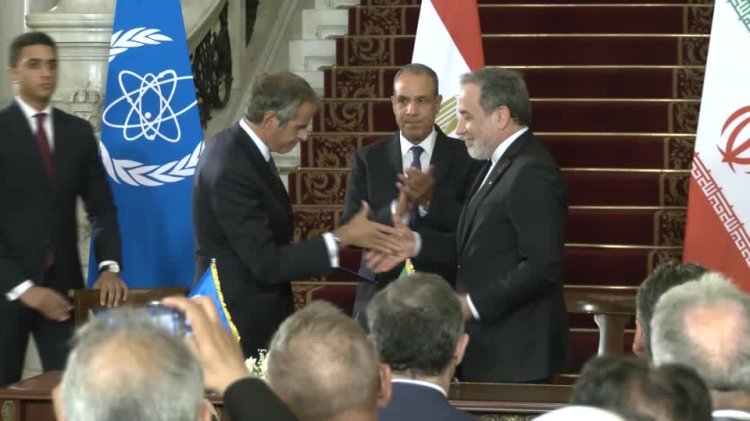
Iran’s foreign ministry announced it has formally terminated a cooperation agreement with the International Atomic Energy Agency (IAEA), after the agency’s Board of Governors adopted a resolution urging Tehran to “without delay” report on its enriched uranium stocks and sites damaged in recent airstrikes. The ministry said a letter ending the Cairo agreement was sent to the IAEA in reaction to the resolution, which it says reflects misuse of the watchdog by the United States and a European troika (France, Germany, UK).
The IAEA resolution, drafted by the European troika and the United States, was approved by the 35‑nation board by 19 votes to 3, with 12 abstentions; Russia, China and Niger opposed it. Diplomats said the measure renews and adjusts the agency’s mandate to report on aspects of Iran’s nuclear programme and presses Tehran for answers and access following airstrikes attributed to Israel and the US five months earlier.
Tehran condemned the resolution as a breach of the Non‑Proliferation Treaty (NPT) principles that protect the right of states to use nuclear energy for peaceful purposes, arguing the board lacks authority to reinstate expired UN Security Council measures. The foreign ministry said roughly half of IAEA members rejected the resolution and accused the US and European troika of acting in “bad faith,” warning that efforts to revive past resolutions risk legal confusion, deepen divisions within international institutions and erode the credibility of the non‑proliferation regime.
Iran reiterated its position that its nuclear programme is peaceful and charged that inspections were halted because of direct military actions by the US and Israel—a point it said the resolution failed to acknowledge. The statement also framed Israel’s undisclosed nuclear arsenal as the principal threat to regional and international security and accused the US and European powers of complicity in Israeli actions by ignoring that risk and targeting Iran instead.
Concluding the statement, the ministry pledged to safeguard Iran’s rights and interests in pursuing peaceful nuclear energy while signalling that insistence on the IAEA demands could further strain Tehran’s cooperation with the agency and deepen diplomatic rifts over oversight of its nuclear activities.