China’s Arctic mission uses AI and eDNA
Breakthrough study links polar biodiversity and climate change
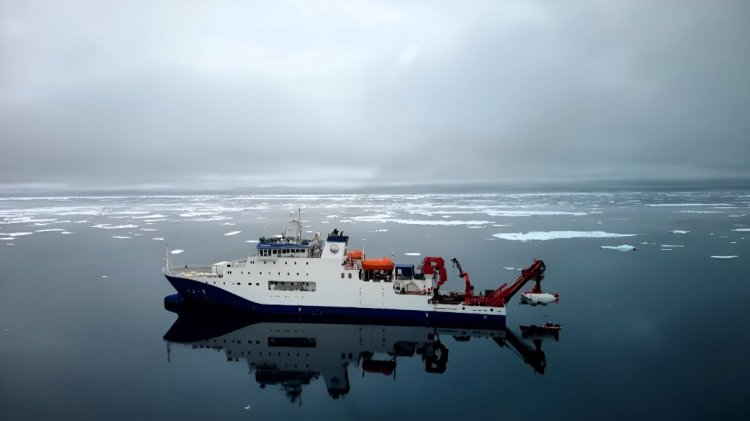
China's 15th Arctic Ocean scientific expedition, its largest to date, combined artificial intelligence species recognition with environmental DNA (eDNA) analysis to deepen understanding of benthic connectivity, biodiversity and the formation of “marine snow.” The 83‑day mission, organized by the Ministry of Natural Resources and conducted by four vessels including the icebreaker Xuelong 2 and the manned submersible Jiaolong, reached as far north as 77.5°N, filling a gap in high‑latitude observations and boosting capabilities for marine environment forecasting.
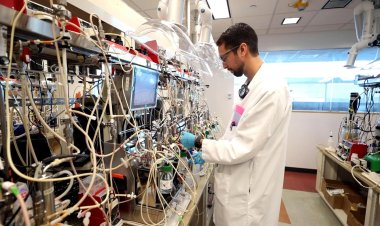
Researchers used real‑time AI identification from submersible and drone camera footage alongside eDNA sampling of seawater, sediments and rock to cross‑verify species detections and reveal organisms that might escape direct observation. AI-assisted image analysis allowed rapid recognition of fauna recorded by Jiaolong’s cameras, while eDNA confirmed species presence and uncovered additional microbial and faunal diversity. The mission collected 183 biological specimens across 12 major categories—such as ascidians, sea anemones, brittle stars, amphipods and sea spiders—along with extensive rock, sediment and water samples.
Analyses showed significant spatial variation in benthic biodiversity, organism density and individual size across distances from tens to hundreds of kilometres. Comparative work on seamount communities found 64 benthic groups on the Emperor Seamount Chain that share about 85% similarity with those of the Magellan Seamounts, indicating likely connectivity among Pacific seamount ecosystems. The expedition also advanced knowledge of “marine snow” formation mechanisms and ice‑edge ecosystem responses to sea‑ice retreat, strengthening the basis for future studies of carbon transport and ecological shifts in warming polar regions.
Expedition leaders described the AI–eDNA integration as a methodological breakthrough that maximizes limited field time, enhances detection of cryptic and microscopic life, and reduces dependence on direct sightings in inaccessible areas. They said the approach improves data resolution for rapid Arctic change and could serve as a model for future polar research worldwide, supporting more effective scientific responses to global climate change.