


China’s steel profits surge 190%
High-end product exports drive gains despite weak demand
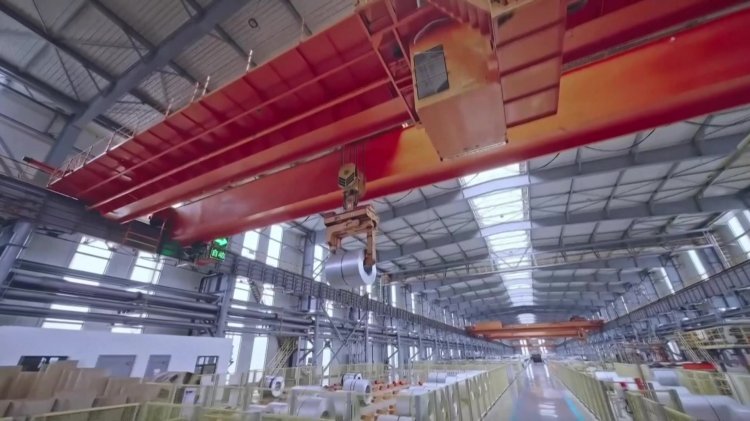
China’s steel industry reported a strong profit rebound in the first three quarters, with the China Iron and Steel Association saying cumulative profits reached 96 billion yuan (about $13 billion), a 1.9-fold year‑on‑year increase. Export volumes also rose: customs data put steel shipments at 87.96 million tonnes in the first nine months, up 9.2 percent year on year, while industry figures and firms point to faster growth in high‑end product exports.
Industry officials credited the gains to accelerated development and sales of higher‑value steel grades that serve diverse application scenarios. At HBIS Group’s Tangshan plant, for example, customized high‑strength plates—reported to be six to seven times stronger than ordinary plates—have enabled automakers to cut vehicle weight by more than 10 percent. The Tangshan branch said high‑end products accounted for 82 percent of its output in the first three quarters, with new products contributing over 35 percent of growth and export volumes of those products rising 23 percent year on year.
Officials also highlighted structural shifts in export patterns and product mix: steel billet exports have reportedly tripled versus the prior year, and the overall product structure is becoming more diversified and optimized as mills shift from lower‑value commodity lines to specialty and advanced steels. The China Iron and Steel Association emphasized that these changes reflect ongoing breakthroughs in technology and manufacturing capabilities across the sector.
Separate government statistics cited elsewhere indicate a broader recovery among ferrous‑metal manufacturers, with some reporting combined profits near 97–97.3 billion yuan for January–September after prior losses, driven in part by lower input costs, improved efficiency and redirected shipments to overseas markets. Crude steel output has declined modestly in some datasets as capacity reductions and environmental controls take effect, but value‑added output and margins have improved where producers have moved up the value chain.
Analysts and industry executives warned that challenges persist: domestic demand remains fragile amid a weak property sector and subdued infrastructure spending, inventories are still elevated, global price volatility continues, and stricter environmental rules and regional curbs could constrain output. Nevertheless, the profit recovery and rapid uptake of higher‑end products have prompted renewed investments in advanced manufacturing and low‑carbon technologies as steelmakers aim to sustain competitiveness and align with long‑term decarbonization goals.