

Congo offers Rubaya mine to U.S.
Strategic minerals deal targets tantalum supply
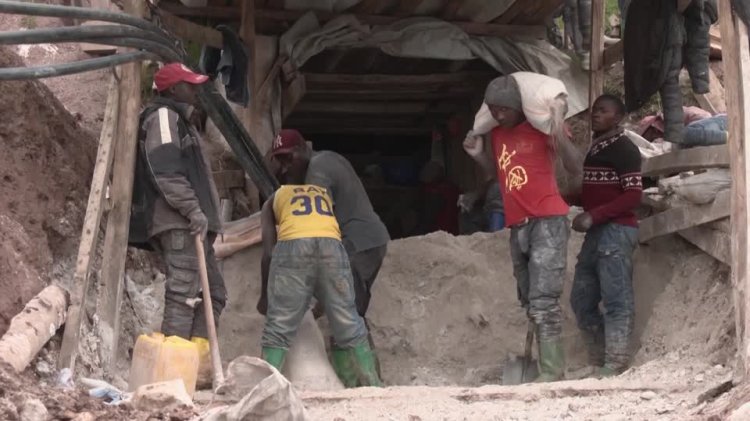
The Democratic Republic of Congo has placed the rebel‑held Rubaya coltan mine — one of the world’s richest sources of tantalum — on a shortlist of strategic assets it is offering to the United States under a bilateral minerals cooperation framework, a government document and officials confirmed. The inclusion was presented at a DRC‑U.S. meeting in Washington to advance a strategic minerals partnership agreed in December.
Rubaya, in North Kivu and currently controlled by Rwandan‑backed AFC/M23 rebels, holds several thousand tonnes of coltan with tantalum concentrations of 20–40% and accounts for about 15% of global coltan output. The government document estimates $50–150 million would be needed to restart and scale commercial production, with rapid cost recovery expected amid rising global demand. Kinshasa argues Rubaya could supply a “fully traceable, conflict‑free” source of tantalum that meets U.S. procurement rules, giving Washington access to a metal essential for semiconductors, aerospace, electronics and other high‑tech industries.
The move forms part of a broader U.S. push to secure critical minerals and reduce China’s dominance in African supply chains. Under the framework, U.S. companies would get preferential access to listed assets; other priority projects offered to U.S. investors include the Manono lithium deposit, Chemaf copper‑cobalt complexes, germanium‑gallium expansion plans, proposed cobalt refineries, hydropower links tied to state miner Gecamines, Congo’s segment of the Lobito rail corridor, and major gold prospects.
Rubaya’s rebel occupation has been linked to organized smuggling and revenue flows: a U.N. report estimated the rebels collect at least $800,000 monthly from taxes on production and trade. M23/AFC, which are under U.S. sanctions and not party to a faltering peace deal brokered in Washington, have denounced the minerals framework as flawed and warned Kinshasa should not negotiate new partnerships while fighting continues.
The U.S. State Department confirmed Congo formally presented an initial strategic asset reserve list at the meeting and invited eligible private‑sector firms to request the list and express interest. Several initial supply agreements under the minerals security pact have already been signed between Congo and U.S. or allied companies, though the Congolese document does not name firms or confirm formal negotiations for specific assets.