DOJ restores Trump photo to Epstein files
Review finds image shows no victims, officials say
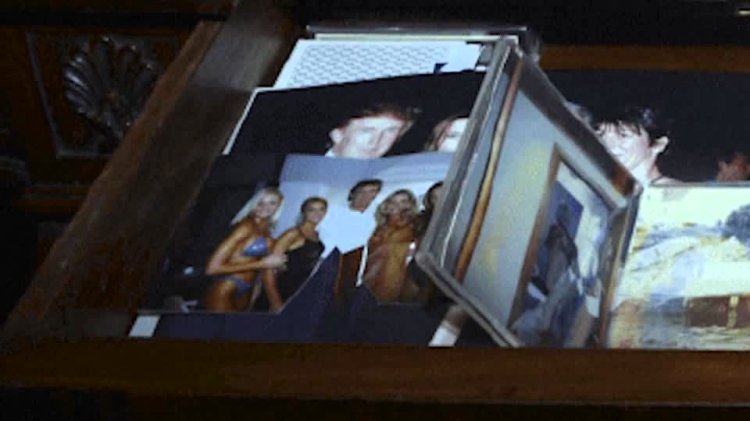
The Justice Department restored a photograph of former U.S. President Donald Trump to a public database of files related to convicted sex offender Jeffrey Epstein after determining the image did not depict any victims. The Southern District of New York had temporarily removed the desk‑drawer photo, which shows Trump with several women, amid concerns raised by alleged victims and their lawyers about potential identification and privacy. Following a review, the DOJ said there was no evidence the women in the photograph were Epstein’s victims and the image was reposted without alteration or redaction.
The removal formed part of a broader, cautious review of thousands of Epstein‑related records the department released, which included heavy redactions that drew criticism from transparency advocates and some politicians. Media reports said as many as 16 photos were pulled from the publicly accessible files during the review. Deputy Attorney General Todd Blanche told reporters the decision to take down certain photos stemmed from worries about the women depicted and emphasized the actions were not targeted at Trump.
The restored photo has been publicly known and cited in reporting on Epstein’s social circles; the DOJ and prosecutors reiterated that there is no evidence linking Trump to Epstein’s crimes and that Trump has denied wrongdoing or knowledge of Epstein’s offenses. The brief removal prompted pushback from legal experts and open‑records advocates, who warned that unannounced alterations to a public archive risk undermining trust and called for clearer protocols and disclosures when files are modified.
Officials said some temporary removals were prompted by requests from alleged victims and their counsel and framed the review as an attempt to balance transparency with privacy and safety concerns. Nonetheless, critics argued the department should adopt more explicit rules for handling sensitive material in released case files and better document any changes to the archive so researchers and the public can track what has been altered and why.
The episode has refocused scrutiny on how the Justice Department curates and presents the Epstein files, particularly decisions that affect privacy, potential ongoing investigations and public understanding of high‑profile associations. With the photograph now restored, advocates pressed for clearer standards governing future adjustments to the database and for the DOJ to provide more comprehensive explanations when material is removed or reinstated. The department said it remains committed to maintaining a complete public record while taking appropriate steps to protect victims and ensure legal obligations are respected.