

Ecuador demands justice for slain boys
Families march as trials of accused soldiers advance

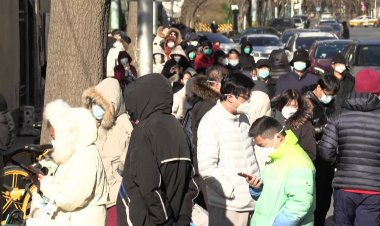
Protesters marched in Guayaquil demanding justice in the case of four boys who disappeared a year earlier and were later found burned and shot near a military base, a tragedy that has intensified scrutiny of Ecuador’s security forces and the country’s spiraling violence. The victims—Steven Medina, Nehemias Arboleda and brothers Josue and Ismael Arroyo, aged 11 to 15—vanished from Las Malvinas after going out to play soccer and were recovered lifeless days later in the vicinity of a Taura military installation, provoking national outrage and sustained family-led protests.
Relatives and supporters carried miniature cardboard coffins and photographs as they pressed for accountability and clearer answers about the events leading to the boys’ deaths. Families say the year since the disappearances has been marked by a slow, fraught judicial process and repeated delays. Prosecutors have charged 16 military personnel in connection with the case and later added a colonel; a total of 17 suspects were ordered to trial, and final arguments are now underway. Despite legal steps, victims’ relatives and rights groups remain dissatisfied with the pace and transparency of investigations.
The case has drawn international attention and condemnation. Amnesty International’s September report, “They are soldiers, I saw them,” details allegations of forced disappearances tied to Ecuador’s increasingly militarized security strategy under President Daniel Noboa, asserting that the policy environment has enabled human rights abuses, including the disappearance of ten people—among them the four boys. The report and subsequent public reaction have amplified questions about the relationship between state security operations and abuses, and about oversight of military activity in areas affected by gang violence.
Families and activists argue the killings reflect broader patterns of impunity and the erosion of public safety amid Ecuador’s escalating criminality. The country has recorded record levels of violence over the past year, prompting multiple states of emergency and the deployment of military forces to confront gangs that control drug-trafficking routes and have infiltrated prisons and communities. Advocates say those measures have not sufficiently protected vulnerable populations and may have blurred lines between law enforcement, military action and extrajudicial harm.
Relatives and community members at the commemorations called for concrete judicial outcomes rather than expressions of solidarity alone, demanding transparency about who detained the children, why they were taken to the military base, and who ordered the killings. Human-rights groups warned that unresolved institutional failures and delays risk deepening mistrust in state institutions and normalizing violence in affected areas.