Ecuador seeks deeper U.S. security ties
Talks focus on joint action against drug trafficking
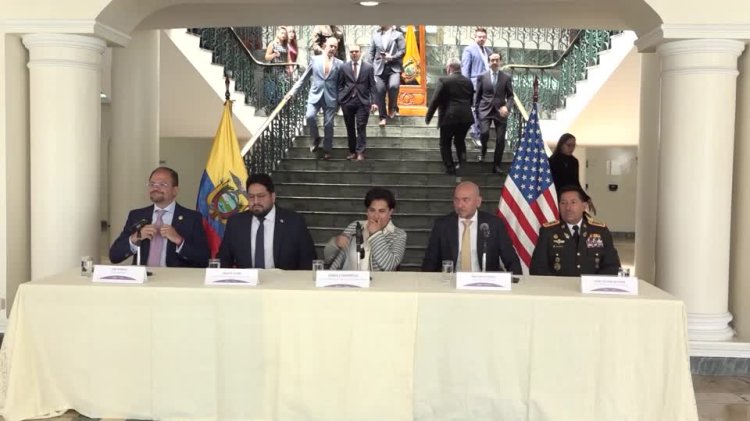
Ecuador’s government has announced plans to enhance security cooperation with the United States following discussions with U.S. Deputy Assistant Secretary of Defense Joseph Humire. The meetings, aimed at fortifying existing security ties, focused on joint operations against criminal organizations, particularly in the fight against drug trafficking. Authorities stated that this year, Ecuador intends to intensify efforts to combat drug-related crime with U.S. support.
Officials emphasized the need to align efforts against threats such as drug trafficking, particularly along the northern border with Colombia. The Ecuadorian administration views the U.S. as a vital ally in addressing the increasing violence associated with organized crime networks linked to narcotics. As Ecuador grapples with a significant public safety crisis, the upcoming visit of a senior U.S. defense envoy is seen as crucial for deepening bilateral cooperation.
The envoy is expected to hold high-level meetings with government officials, military leaders, and security agencies to devise strategies for confronting drug trafficking routes traversing Ecuador. Over recent years, Ecuador has become a key transit hub for cocaine, exploited by criminal groups taking advantage of the country's ports and fragile institutions.
Talks will focus on intelligence sharing, technical assistance, and enhancing the capabilities of Ecuador’s armed forces and police. Officials reaffirmed that the purpose of the cooperation is not to establish new U.S. military bases but to improve operational effectiveness and coordination in counter-narcotics efforts.
Ecuador’s government has declared drug trafficking and organized crime a top national security threat, resulting in deployments of the military to support police operations and states of emergency in various provinces. International cooperation, particularly with the U.S., is deemed essential to dismantling transnational criminal organizations.
Human rights groups have called for transparency in security cooperation, stressing the need for safeguards to protect civilians amid militarized approaches. As the defense envoy’s visit approaches, Ecuadorian officials underline the critical necessity of coordinated international action to effectively combat these powerful networks. For many citizens, this cooperation may symbolize a pivotal moment in addressing escalating violence and securing their safety.