Europe watches rare total solar eclipse
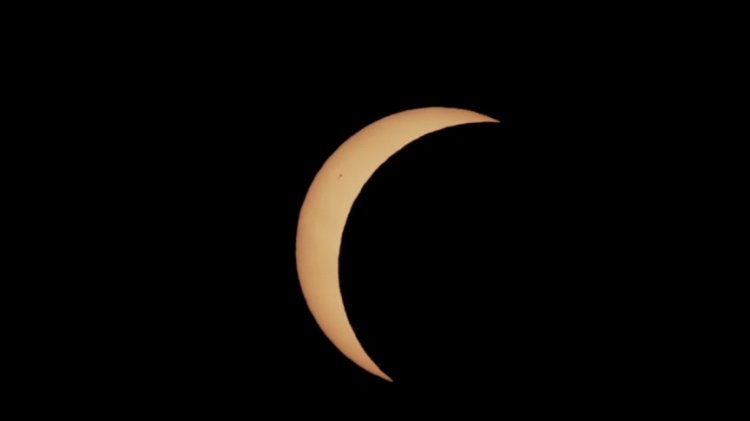
Millions across Europe were captivated by a rare total solar eclipse. The moon passed directly between the Earth and the sun, casting its shadow across significant portions of the northern hemisphere. This marked the first total solar eclipse visible from mainland Europe in over two decades, since 1999, making it highly anticipated, generating immense excitement. The path of totality stretched across Greenland, Iceland, northern Spain, and a small section of Portugal. Observers within this narrow band experienced day turning briefly into twilight, with the sun's corona, its outer atmosphere, becoming visibly stunning. The maximum duration of totality reached up to two minutes and eighteen seconds off the coast of Iceland. Beyond the path of totality, a partial solar eclipse was visible across most of Europe, large parts of North America, and northwestern Africa. In major European cities like London, Paris, and Dublin, more than ninety percent of the sun was covered, allowing millions more to witness the moon taking a significant "bite" out of the sun. Scientists found this eclipse particularly interesting, providing opportunities to study the corona, the sun's outer atmosphere, typically obscured by its brightness. This allowed for critical data collection. Experts emphasized eye safety, advising against looking directly at the sun without certified eclipse glasses or indirect viewing to prevent permanent damage. Public health warnings were widely disseminated. The event served as a reminder of cosmic mechanics, uniting observers across continents in a shared moment of wonder.