

Greenpeace urges bold plastic treaty
Activists push for 75% cut in production by 2040
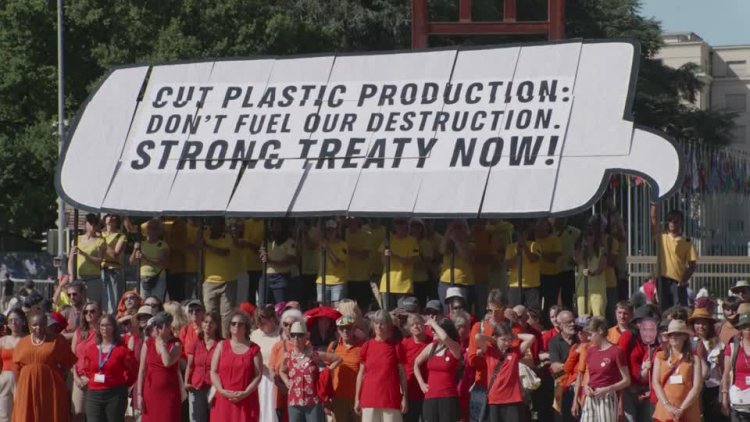
Hundreds of citizens and civil society organizations, including Greenpeace, have rallied for a robust treaty aimed at reducing plastic production ahead of the upcoming Intergovernmental Negotiating Committee conference in Geneva. As delegations prepare to meet at the United Nations, concerns linger about the potential weakness of any resulting agreement.
Protesters donned bright colors to emphasize the urgency of the plastic crisis, which is primarily fueled by fossil fuels. Scientists at the conference stress the importance of decreasing both plastic production and environmental waste, citing health risks linked to chemical exposure from plastics.
The Geneva meetings follow a previous session in South Korea that failed to establish a clear strategy for addressing plastic pollution. Key contentious issues include production caps, management of plastic products, and financial support for developing nations to implement the treaty.
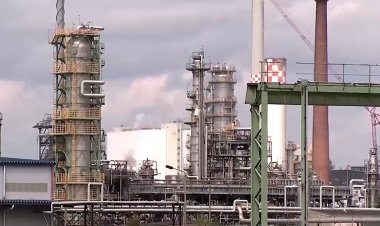
Greenpeace is advocating for stringent, binding limits on plastic production, calling for a 75% reduction by 2040. The organization warns that the current trajectory poses significant public health and environmental threats. A recent report indicates that over 50 million people in 11 countries live near petrochemical facilities associated with plastic production, exposing them to harmful air pollutants.
Leading scientists, including marine litter expert Professor Richard Thompson, have underscored the urgency of the situation, noting that global plastic production is set to double and potentially triple by 2060, worsening ecological damage and health risks. Despite support from over 100 countries and major corporations for production cuts, some petrostate-aligned nations, including China and Russia, advocate for a weaker treaty focused on waste management rather than production restrictions.