Iran denies missile launch toward Turkiye
Tehran rejects Turkish claim of intercepted ballistic missile
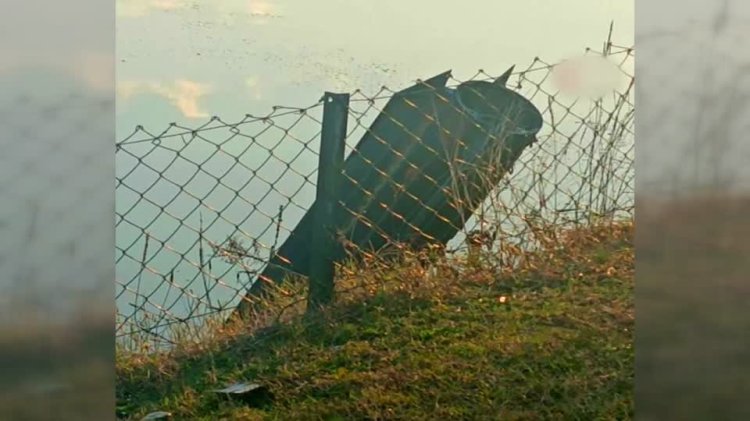
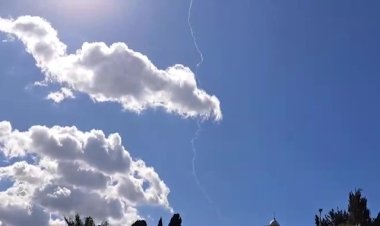
Iran’s Armed Forces denied firing any missile into Turkiye, insisting they respect the country’s territorial integrity and dismissing responsibility for the incident. The statement responded to Turkish Defence Ministry claims that NATO air-defence systems intercepted and destroyed a ballistic missile that had crossed Syrian and Iraqi airspace before being shot down en route to Turkish airspace. Turkish officials said the missile’s intended target was undetermined and reported no casualties or damage, with the intercept occurring over the eastern Mediterranean.
Tehran framed its military actions as responses to what it described as unprovoked aggression by the United States and Israel, saying its strikes are aimed at US and Israeli assets rather than Turkish territory. Iranian officials communicated to Ankara that they do not seek confrontation and reiterated respect for Turkish sovereignty. The exchange followed heightened military activity in the region, where Iran has launched multiple drone and missile operations against US positions since the recent escalation.
The incident alarmed regional and NATO officials because a direct strike on Turkish soil could have broader security implications for the alliance. US sources acknowledged the missile intercept but suggested it was unlikely to trigger NATO’s collective-defense clause, which treats an attack on one member as an attack on all. Nonetheless, the episode prompted Ankara to urge restraint and to warn against actions that could widen the conflict.
Turkiye said it would bolster air-defence readiness along its southern border and stressed it did not want its territory or airspace used as a platform for attacks. The situation highlighted how the confrontation between Iran, the US and Israel is increasingly affecting neighboring states: missiles and drones have traversed multiple countries’ airspace, raising the risk of unintended escalation and cross-border incidents.
Analysts and regional governments warned that continued exchanges of strikes and intercepts could further destabilize an already volatile region, complicating diplomatic efforts to contain the conflict. For now, both Turkiye and Iran sought to de-escalate rhetorically, emphasizing dialogue and respect for sovereignty even as military precautions and surveillance intensified across affected airspace.