Guatemala declares state of siege
Gang-linked violence kills police and triggers emergency measures
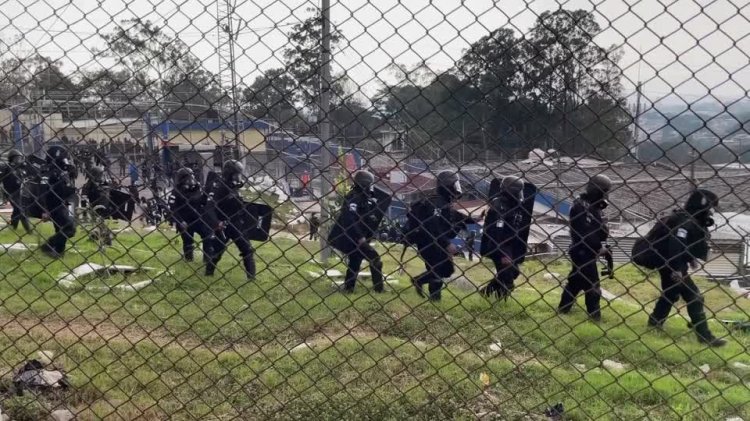
Guatemala’s president has declared a 30‑day state of siege after a weekend of coordinated gang violence linked to prison riots and retaliatory attacks that left several police officers dead and many wounded. Security forces regained control of multiple men's prisons where inmates had taken dozens of guards hostage; authorities say the disturbances were driven by the Barrio 18 gang pressing for privileges for incarcerated members. The government reported at least seven police officers killed and ten injured in attacks that followed the restoration of custody of Barrio 18 leader Aldo Duppie, known as El Lobo.
Officials framed the state of siege as a targeted measure to dismantle organised criminal networks and reassert state authority, stressing it would concentrate on combating gangs rather than curtailing routine civilian movement. Nevertheless, the decree temporarily expands the powers of security forces, allowing wider use of checkpoints, searches and rapid deployments alongside police to prevent further strikes and secure prison facilities. Education authorities suspended classes nationwide for safety reasons as operations continued.
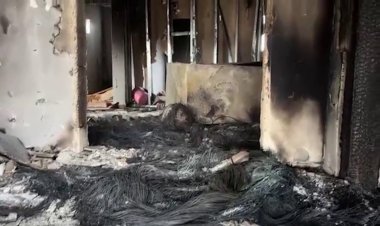
The unrest involved coordinated incidents inside overcrowded facilities — including fires, infrastructure damage and hostage-taking — and armed ambushes on law‑enforcement units in several regions. Government spokespeople blamed the outbreaks on insurgent coordination from within prison ranks and pledged intensified action to isolate gang leadership and restore order across the penal system and affected communities.
Human rights organisations cautioned against heavy‑handed tactics, urging authorities to ensure proportionality, protect civilians and respect legal safeguards amid the expanded powers. Past emergency measures in the country have sometimes been associated with abuses, they warned, calling for transparent oversight of security operations and accountability for excesses.
Public reaction was mixed: many residents in areas hard hit by gang activity welcomed decisive steps to reduce violence, while critics and civil liberties advocates demanded clear limits and monitoring of the state‑of‑siege powers.