U.S. first lady chairs UN session
Security Council focuses on children in conflict zones
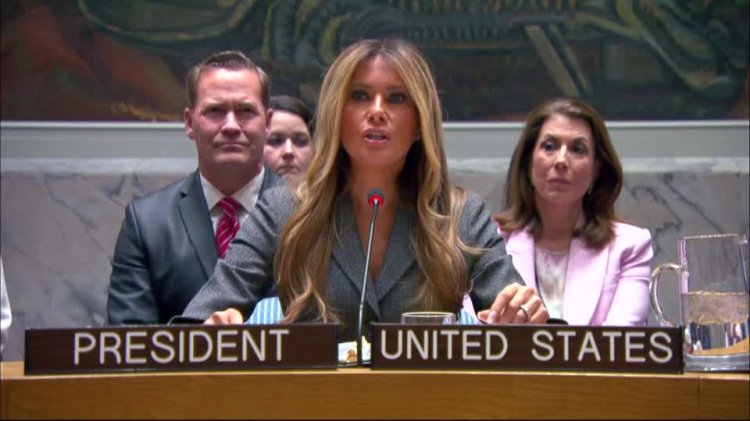
The U.S. first lady chaired a United Nations Security Council session on protecting children and ensuring education in conflict zones, marking an unprecedented role for a serving leader’s spouse at the 15-member body. The meeting, convened under the U.S. rotating Council presidency and titled “Children, Technology, and Education in Conflict,” gathered diplomats, humanitarian officials and advocacy groups to address violence, displacement, exploitation and educational disruption affecting children in war-affected areas.
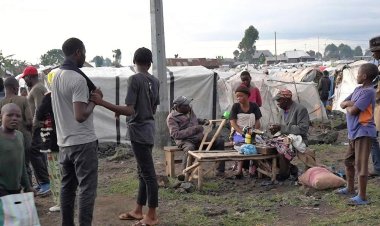
Opening remarks stressed children as particularly vulnerable victims of armed conflict and called for stronger coordination among governments, international organizations and civil society to prevent recruitment of child soldiers, halt attacks on schools and hospitals, and scale up access to education and psychosocial support for displaced minors. U.N. officials presented data showing hundreds of millions of children living in or fleeing conflict zones, and highlighted ongoing violations including forced displacement, abductions and impeded humanitarian access.
Speakers urged enhanced monitoring and accountability for breaches of international humanitarian law, and UNICEF and other agencies pressed for sustained funding for humanitarian and protection programs. Delegates described national initiatives for rehabilitating and reintegrating former child combatants and stressed safeguarding digital spaces as children in conflict face growing online risks such as exploitation and misinformation.
The session noted recent reports of child casualties linked to regional strikes and said investigations were underway. Participants emphasized that protecting children requires long-term political commitment beyond emergency aid, urging member states to translate pledges into durable support for education, safety and recovery programs. By chairing the meeting, the U.S. first lady spotlighted the protection of children in conflict as a diplomatic priority and called for collective action to reduce the human cost of war on the youngest and most vulnerable.