

Indonesia wildfires emissions surge
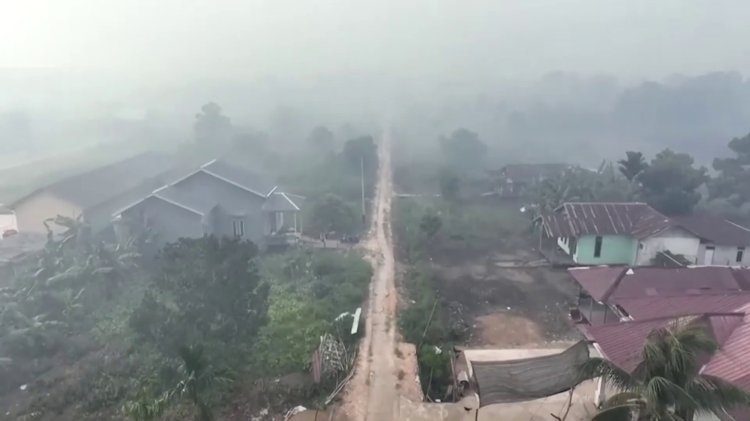
Indonesia faces a significant surge in wildfire emissions, now among the highest globally. Blazes, intense across Borneo and Sumatra, are worsening. Over 300,000 hectares of land have burned in Indonesia this year. Its August monthly emissions were the highest since 2003, contributing to Asia's highest fire emissions. In late August and early September, fires released over 23 million metric tons of carbon, surpassing 2015 emissions, another strong El Niño year. Strong El Niño is a primary driver, creating drier conditions that intensify the dry season and make the landscape highly susceptible to fires. Human activity is a major factor; most fires are deliberately set through "slash-and-burn" for agricultural expansion, for palm oil and pulpwood plantations. The burning of carbon-rich peatlands is a significant concern. These fires are destructive, smoldering underground for months and releasing substantially more pollutants than typical forest fires. Large-scale transboundary haze has led to hazardous air pollution affecting millions in Indonesia and neighboring countries like Malaysia and Singapore. Health impacts are severe, with Indonesia reporting 50,000 cases of respiratory infections linked to these fires. Beyond health concerns, wildfires contribute significantly to global carbon emissions, accelerating climate change. Economic costs are substantial, with past fire events incurring billions of dollars in damages. Authorities are grappling with the ongoing fire season, raising fears the situation could worsen.