Iran and Oman agree on Hormuz framework
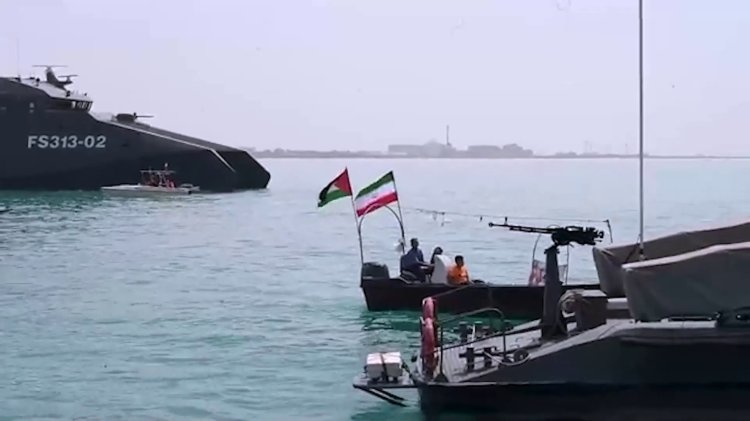
Iran and Oman said they have agreed on a phased framework to support the resumption of safe navigation through the Strait of Hormuz while preserving the sovereign rights of both states, Tasnim news agency reported.
The plan includes a temporary joint navigational corridor, a joint mine-clearance effort, and continued technical talks on a permanent passage route, information-sharing, traffic management, and future administration of the strategic waterway.
The consultations took place during a working visit by Oman’s foreign minister to Iran, where both sides said the current situation in the strait, shaped by the recent war and its consequences, requires a practical and workable response. They said any arrangement must protect coastal states’ rights, follow international law, and involve broader discussions with regional countries bordering the Persian Gulf.
Iran’s Revolutionary Guard presented the talks more aggressively, claiming agreements were reached on the division of the strait’s waters and revenue shares. Its spokesman said the waterway remains under Iranian control and that no vessel can pass without Iran’s permission. He also blamed U.S. obstruction for delaying progress, saying the route could be reopened if Washington returns to a peace memorandum it signed with Iran.
The statement reflects an effort to reduce tensions around one of the world’s most sensitive shipping lanes, but it also shows how far apart the two narratives remain. Oman describes a cooperative, phased process focused on safety and navigation, while Iranian hardliners frame the issue as a matter of sovereignty and leverage over shipping access.
Both parties highlighted the necessity of holding joint talks with nations bordering the Persian Gulf. Additionally, they emphasized the importance of adhering to relevant international law while respecting the sovereignty of coastal states.