Japan and U.S. act to strengthen yen
Coordinated move aims to halt currency's slide to 40-year lows
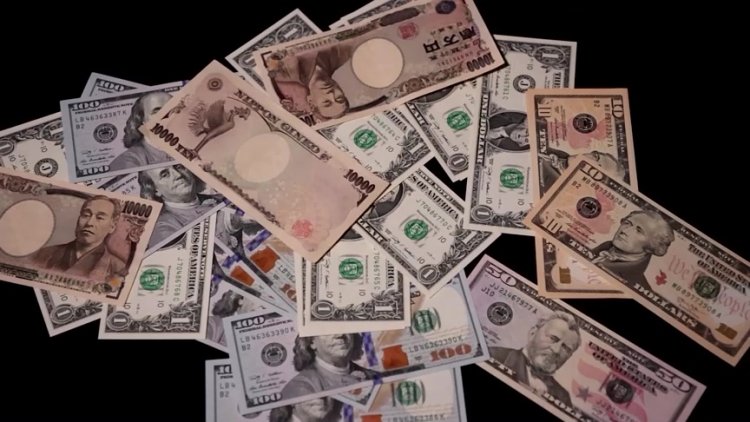
Japan and the United States confirmed a coordinated intervention in currency markets to halt the Japanese yen's sharp depreciation. This rare joint effort comes as the yen slid to its weakest levels in nearly four decades. Japan had previously intervened unilaterally, but the combined action underscores their resolve to stabilize it. The intervention, with both countries buying yen, aims to counter excessive volatility. For Japan, the yen's sustained weakness has led to a significant increase in import prices, impacting household finances and contributing to inflation. Washington's participation supports a key ally. The US Treasury expressed concerns that the yen's depreciation could destabilize global bond markets and impact the US public borrowing system, due to Japan's substantial holdings of US debt. This joint effort marks the first coordinated yen-buying intervention since the 1998 Asian financial crisis, and the first joint currency intervention since 2011. Japanese Finance Minister Satsuki Katayama confirmed the intervention and coordination with the US Treasury. US Treasury Secretary Scott Bessent acknowledged the concerted effort, supporting Japan's decisive steps. Both officials signaled readiness for further joint interventions if necessary. Japanese authorities spent 8.45 trillion yen ($59 billion) during an initial solo operation. The subsequent coordinated intervention saw the yen strengthen against the dollar, though analysts suggest sustained stability will require broader economic adjustments. Before the intervention, the currency traded near 164 yen to the dollar.