Libyans protest, demand swift elections
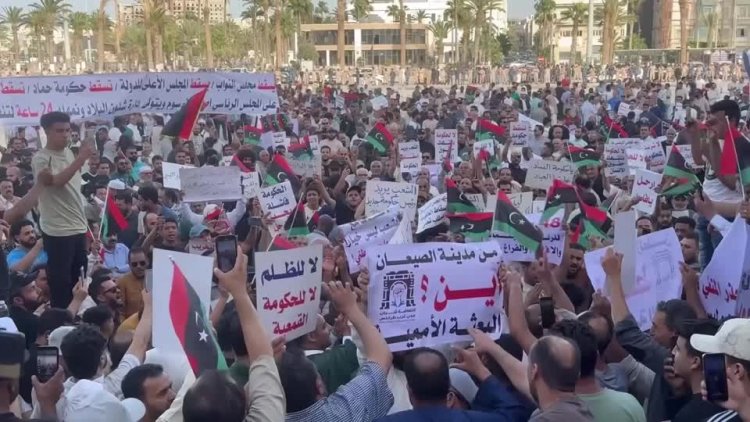
Protests erupted in Tripoli's Martyrs' Square, as crowds demanded the resignation of Prime Minister Abdulhamid Dbeibah and called for national elections. Demonstrators expressed frustration over the prolonged transitional governance and the failure to hold elections initially scheduled for December 2021.
Dbeibah, who has led the Government of National Unity since a UN-backed process in 2021, has faced criticism for the political stagnation in Libya, which has struggled for stability since the 2011 uprising that ousted Muammar Gaddafi. The country remains divided between rival factions, and recent violent clashes in Tripoli, resulting in at least eight civilian deaths, have further fueled public discontent. The killing of militia leader Abdulghani al-Kikli intensified tensions, highlighting the fragile security situation and the influence of armed groups in the capital.
In a show of solidarity with the protesters, three cabinet ministers resigned, signaling internal dissent within the government and increasing pressure on Dbeibah to respond to the public's demands. Despite his pledges to dismantle armed factions and restore state authority, public confidence in his leadership remains low, with many citizens insisting on immediate elections and a transition to a stable, civilian-led government.
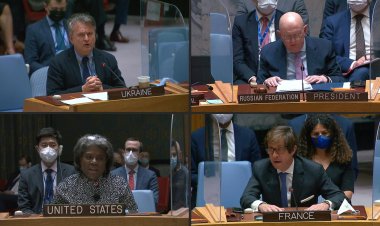
The United Nations has voiced concern over the escalating violence and political instability, emphasizing the growing consensus among Libyans for national elections as a means to achieve peace and unity. The international community continues to urge Libyan factions to resolve their differences and move towards a democratic transition. As Libya faces these challenges, the coming weeks will be crucial in determining whether the government can meet the demands for reform and guide the nation toward lasting stability.