

Mexico launches major Michoacán security plan
Over 10,000 troops deployed to curb cartels and restore order
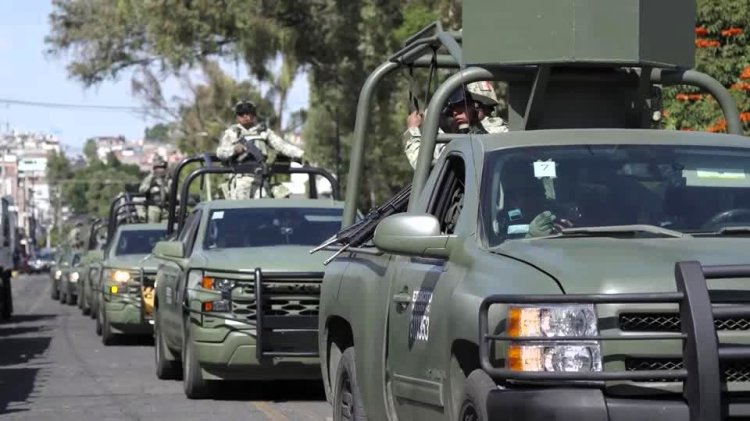
Mexican authorities have launched a major security operation in Michoacán under the "Michoacán Plan for Peace and Justice," deploying thousands of servicemembers to crack down on organised crime, dismantle clandestine drug labs and training camps, and combat extortion that has plagued the state’s agricultural and transport sectors. Nearly 1,980 Army and National Guard personnel, including 180 Special Forces, have been sent initially, with plans to expand deployments to more than 10,500 members of the army, air force and National Guard across Michoacán and neighbouring areas. The federal response also includes increased use of drones and surveillance aircraft, a strengthened role for state police and prosecutors, and commitments to accelerate social programmes and infrastructure investments aimed at reducing cartel influence.
The operation was announced after a surge in violence, capped by the high‑profile assassination of Uruapan mayor Carlos Alberto Manzo during Day of the Dead celebrations; Manzo had criticized federal inaction against organised crime. His killing, along with earlier killings of agricultural leaders such as lime sector head Bernardo Bravo, prompted widespread protests across the state and heightened demands for decisive government action from tens of thousands of residents.
President Claudia Sheinbaum framed the plan as a direct response to what she called a “cowardly murder” and vowed regular public updates and zero tolerance for impunity. Authorities say the initiative will prioritise dismantling cartel networks — including those linked to Jalisco New Generation Cartel and La Familia Michoacana — destroying drug production facilities and training sites, and cutting off revenue streams from extortion and kidnappings that have long targeted citrus and avocado producers.
Analysts note the plan marks a sharper federal pivot toward combining robust security deployments with structural measures: alongside troops and high‑tech surveillance, the government pledges more funding for social programmes to tackle poverty, youth unemployment and institutional weakness that enable cartel recruitment and control. Officials have earmarked substantial resources for the operation and describe Michoacán as a federal priority whose recovery could serve as a test case for broader national efforts against organised crime.
Security sources emphasize that while military deployments have featured in Mexican policy for years, the scale and integrated approach of this plan aim to achieve sustained disruption of criminal organisations and restore state authority.