Michigan's Senate primary divides Democrats
Progressive and centrist clash over U.S.-Israel relations
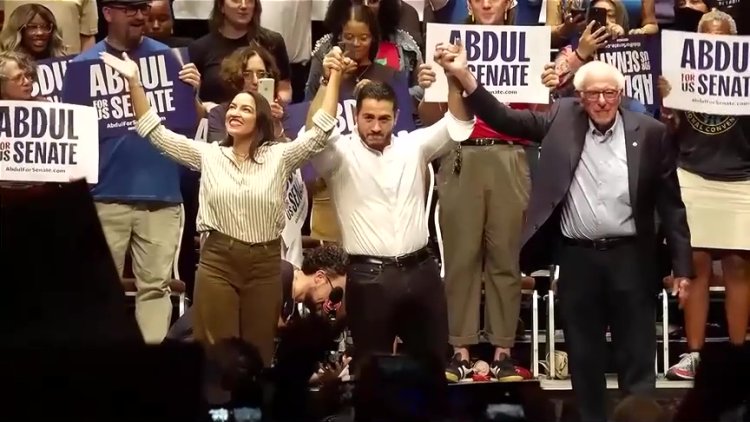
A Michigan Democratic primary for a U.S. Senate seat features an ideological clash between progressive Abdul El-Sayed and centrist Representative Haley Stevens, highlighting the party's foreign policy debate. Central to the race is U.S.-Israel relations. Abdul El-Sayed is highly critical of Israel's government and military actions, describing the Gaza conflict as "genocide." He advocates cutting U.S. military aid to Israel, asserting the U.S. should not sell weapons to a state committing human rights abuses. El-Sayed frames this as an affordability issue, prioritizing domestic spending, and has garnered support from liberal figures. In contrast, Representative Haley Stevens, a centrist, supports Israel's right to exist and a two-state solution, and criticizes Benjamin Netanyahu. She is backed by established Democratic leaders, including the outgoing Senator and Senate Minority Leader. The primary has drawn national attention as one of the most expensive Democratic contests. A significant factor is substantial spending by a pro-Israel lobbying group, investing millions in advertising to support Stevens and oppose El-Sayed. El-Sayed criticizes Stevens for ties to corporate donors and this lobbying group. Stevens suggests El-Sayed’s rhetoric could be divisive and harmful. Michigan, with its large Arab-American community, is a battleground for U.S. Middle East policy. The state originated the "uncommitted" voter movement in a past presidential primary, protesting the administration's Gaza stance. Recent polls indicate El-Sayed is gaining momentum, with some surveys showing him leading Stevens. The outcome will indicate the Democratic Party's direction on foreign policy and the balance between its progressive and centrist wings.