NATO clears mines in Baltic Sea drill
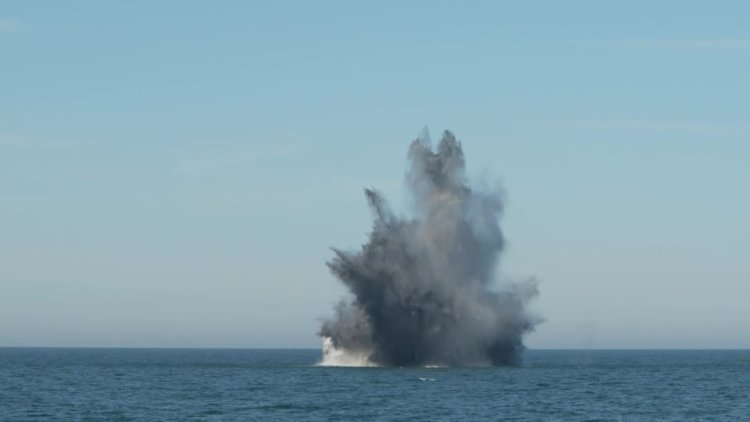
A major naval operation concluded in the Baltic Sea on Monday, with warships, divers and underwater drone operators detonating unexploded mines left over from the two World Wars - and taking the chance to check on underwater power cables in the area.
Twelve warships and 19 teams of mine clearance divers and underwater drone operators from 13 NATO countries took part in the mission to locate and neutralize unexploded mines and ordnance from both World War I and World War II.
But the operation also focused on present day dangers and protecting underwater infrastructure from potential threats in the Baltic Sea region. “It's not a secret that the Baltic Sea became an area of hybrid warfare," Lithuanian Navy Commander Rear Admiral Giedrrius Premenckas said.
"Several cases of damaging critical underwater infrastructure, cases in the Gulf of Finland, then actions of Shadow Fleet, such all the factors not necessarily to better the safety in the region," he said. "So I believe the NATO presence in our waters probably helps to prevent the possibility of such hybrid actions from some countries around.”
Thousands of explosive devices still lie at the bottom of the Baltic Sea, posing a threat to maritime traffic and strategic infrastructure, and operation “Open Spirit/EODEX 2025,” is one of many that try to deal with the recurring issues.
The mission, which took place in Lithuanian territorial waters and its Exclusive Economic Zone, has been underway since May 9.
The multinational naval mine clearance operation, Open Spirit 2025, has successfully concluded in the Baltic Sea, marking a significant step in enhancing maritime safety and protecting critical underwater infrastructure.
The successful completion of Open Spirit 2025 not only contributes to safer navigation and economic activities in the Baltic Sea but also reinforces NATO's commitment to collective defense and regional stability.