Gray-market cars flow to Russia
China route helps bypass Western sanctions
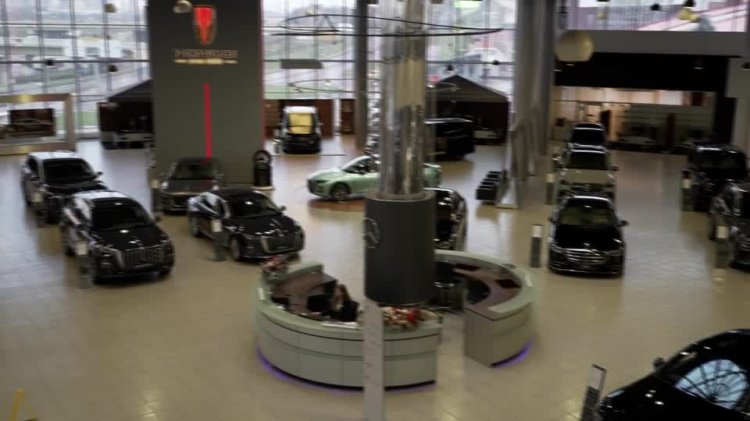
Tens of thousands of foreign-branded cars are reaching Russia via China through gray‑market channels that often sidestep Western and Asian sanctions and automakers’ pledges to stop sales to Russia, reported based on Russian registration data from Autostat and interviews shows. The flow includes models from Toyota and Mazda to German luxury brands; many vehicles are either built in China by joint ventures or routed through China after manufacture elsewhere. A notable tactic is exporting “zero‑mileage” cars — new vehicles first registered in China by dealers or traders, then reclassified as used to avoid manufacturer restrictions and simplify export procedures. These cars are heavily discounted in China but command prices in Russia comparable to never‑registered new cars.
Autostat data indicate a sharp rise in China-made foreign‑brand cars registered in Russia: such cars accounted for nearly half of roughly 130,000 vehicles from automakers in sanctioning countries sold in Russia in 2025. Nearly 30,000 Toyotas were registered in Russia last year, about 24,000 of them China‑made; almost all of nearly 7,000 Mazdas sold were also China‑made. Combined registrations of German brands — BMW, Mercedes and Volkswagen Group — numbered about 47,000, with more than 20,000 made in China. Since the 2022 invasion of Ukraine, Autostat records show over 700,000 vehicles from these foreign brands have been sold in Russia.
Dealers and importers describe networks of Chinese intermediaries and middlemen who source cars to fulfil specific Russian orders; some vehicles reportedly pass through Central Asian transit hubs. Automakers including Mercedes‑Benz, BMW and Volkswagen say they prohibit sales to Russia and are working to prevent unauthorized exports through contractual controls and dealer training, but they describe investigations into breaches as “time‑consuming and complex.” Companies such as Toyota and Mazda reiterated they do not export new vehicles to Russia and said any cars appearing there have been resold outside their control.
Analysts and sanctions experts say the practices exploit incentives in China’s subsidized, highly competitive market — including local government support for zero‑mile exports — and make enforcement difficult. European, U.S., Japanese and South Korean authorities have rules banning certain vehicle exports to Russia (usually higher‑priced cars, large‑engine models, EVs and hybrids), and some governments report ongoing investigations and crackdowns on indirect exports, but tracing re‑exports across jurisdictions remains challenging.