Nigeria to produce HIV, malaria test kits
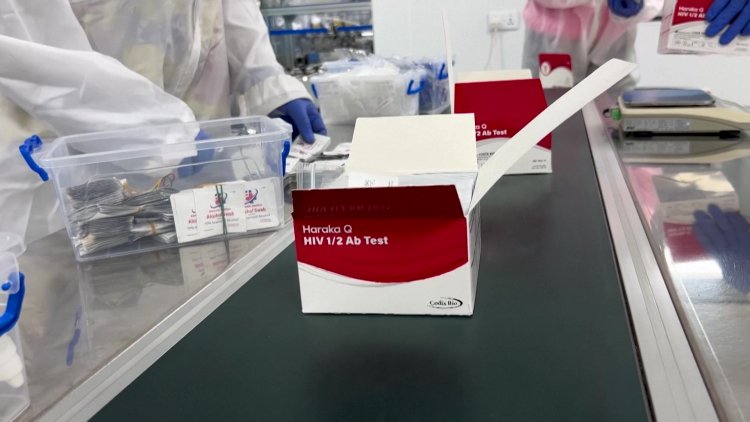
Nigerian manufacturer Codix Bio is set to begin production of millions of HIV and malaria test kits at a new facility near Lagos, aiming to address gaps left by reduced U.S. foreign aid, particularly from USAID. The company plans to roll out the kits later this month, with an initial capacity to produce 147 million kits annually, and potential expansion to over 160 million. This initiative comes in response to significant cuts in U.S. funding, which provided approximately $740 million to Nigeria in 2024 for disease prevention and vaccination programs.
The U.S. has historically been the largest humanitarian aid donor, but recent reductions in foreign assistance funding have raised concerns about the impact on Nigeria's health programs. In light of this, the Nigerian government is seeking to raise funds to sustain some of the initiatives previously supported by international donors. Codix Bio, in partnership with South Korea’s SD Biosensor and with support from the World Health Organization, aims to meet Nigeria's domestic demand for diagnostic tests and potentially supply other markets in West and Sub-Saharan Africa.
Nigeria faces a significant health burden, accounting for nearly 27% of the global malaria cases and ranking fourth in HIV prevalence worldwide. With U.S. funding uncertain, Codix Bio plans to supply its kits to Nigerian health agencies and other donor-backed programs. This move reflects a broader trend towards local production of in-vitro diagnostic kits in Nigeria, reducing reliance on imports, which previously constituted nearly 100% of rapid diagnostic test kits in Africa.
The Nigerian federal government supports this initiative through policy incentives, including import-duty waivers for pharmaceutical inputs.