Pakistanis protest U.S. strikes on Iran
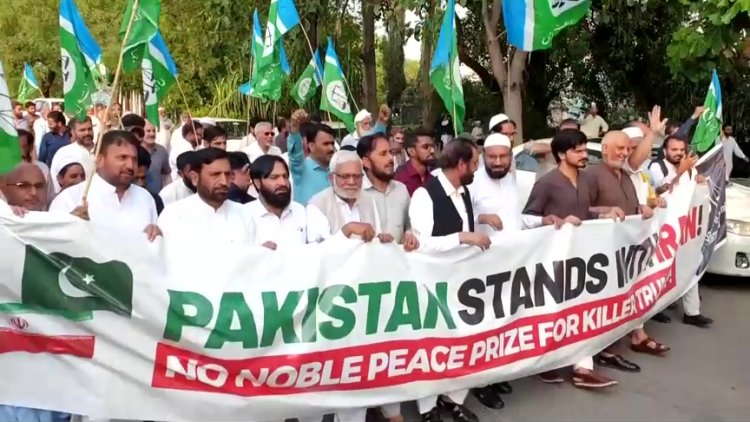
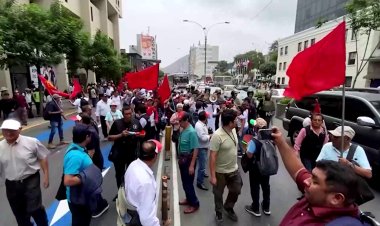
Hundreds of Pakistanis protested in major cities, including Islamabad, Karachi, and Lahore, against recent U.S. airstrikes on Iranian nuclear sites. The demonstrations, organized by the Islamist party Jamaat-e-Islami, saw over 500 participants in Lahore, around 100 in Islamabad, and dozens in Karachi. Protesters condemned the strikes, which marked a significant escalation in Western military action against Iran since the 1979 revolution, and expressed disapproval of Pakistan's earlier proposal to nominate former U.S. President Donald Trump for the Nobel Peace Prize.
The Pakistani government had praised Trump as a "genuine peacemaker" for his role in resolving a recent conflict with India, but the U.S. strikes on Iran prompted widespread backlash. Prime Minister Shehbaz Sharif condemned the attacks as violations of international law and emphasized the need for diplomatic solutions. He communicated Pakistan's stance to Iranian President Masoud Pezeshkian.
In response to the escalating tensions, Pakistan, alongside Russia and China, proposed a resolution at the United Nations Security Council calling for an immediate ceasefire in the Middle East. The Foreign Ministry highlighted the airstrikes as a serious violation of international law that threatens regional stability.
The protests, termed a "Day of Protest," featured slogans like "Death to America and Israel" and "We stand with Iran and Palestine." Demonstrators criticized the U.S.-Israel alliance and labeled the government's nomination of Trump as "shameful and hypocritical." The situation remains dynamic as Pakistan navigates its diplomatic relationships with Iran, global powers, and domestic public sentiment amidst these tensions.