

Peru to declare emergency in Lima
Deadly protests erupt over corruption and rising crime
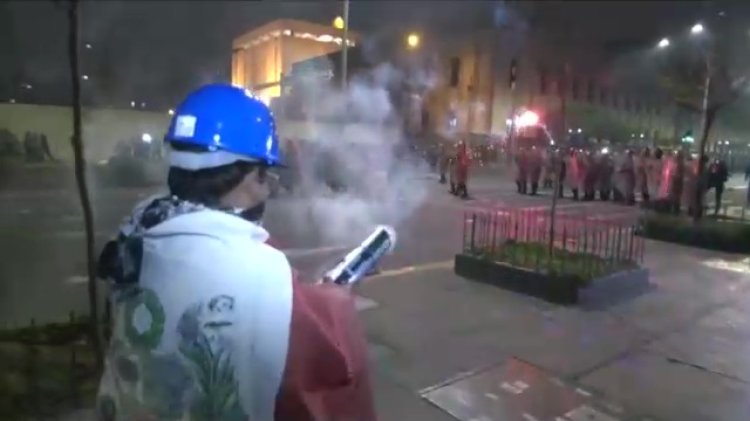
The Peruvian government announced plans to declare a state of emergency in Lima after violent clashes between anti‑government protesters and police left at least one person dead and scores injured.
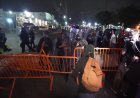
Tensions boiled over outside Congress as largely young demonstrators joined by transport workers and civic groups rallied against corruption, rising crime and low wages. Some protesters threw fireworks and rocks at security forces and attempted to breach barriers; police deployed tear gas and other crowd‑control measures. The most serious outcome was the fatal shooting of 32‑year‑old hip‑hop artist Eduardo Mauricio Ruiz; authorities say the officer who fired faces an arrest warrant and prosecutors have opened a criminal investigation. Officials reported around 100 people were wounded in the unrest and roughly 80 police officers sustained injuries.
The demonstrations followed the abrupt removal of former president Dina Boluarte and reflect broader public frustration over perceived impunity and public‑safety failures. Protesters demanded the resignation of President José Jeri, who assumed office only days earlier; Jeri rejected calls to quit, blamed unspecified groups for attempting to foment chaos, and pledged a thorough inquiry into Ruiz’s death. He said he would request expanded authority from Congress to address security issues and vowed to apply the full force of the law against those who incite violence.
Jeri’s short tenure is already shadowed by several controversies, including allegations of corruption and a shelved investigation into sexual assault. Meanwhile, prosecutors have blocked Boluarte from leaving the country while probing alleged abuse of office and money‑laundering claims tied to her administration. Authorities have characterized the unrest as partly driven by delinquents who infiltrated otherwise peaceful marches, while protesters and human‑rights advocates accused police of excessive force, citing injuries from rubber bullets and other measures.
The planned state of emergency aims to restore public order in the capital and allow officials to deploy additional security measures and resources. Prosecutors continue investigating Ruiz’s killing, and political leaders face mounting pressure as the country heads toward scheduled elections next July. The unrest underscores deep social grievances—especially among youth—over economic hardship, crime and governance, and highlights the fragile stability of Peru’s transitional politics after a period of rapid leadership changes.