Trump, Zelenskiy meet amid weapons tension
U.S. president favors peace talks over supplying Tomahawk missiles to Ukraine
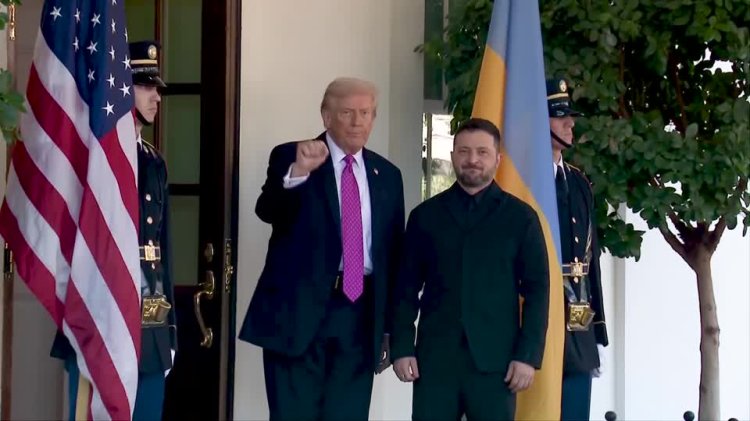
The White House meeting between U.S. President Donald Trump and Ukrainian President Volodymyr Zelenskiy produced cautious rhetoric but little immediate shift on weapons for Kyiv, as Trump signalled preference for negotiating a Russia‑Ukraine settlement over supplying long‑range Tomahawk missiles. Trump, citing a recent call with Vladimir Putin, said he hopes to secure a ceasefire and suggested talks with Putin could follow soon in Budapest, though the Kremlin warned many details remain to be settled and the summit could be delayed.
Zelenskiy urged for Tomahawks to strengthen Ukraine’s ability to strike Russian military targets; he and Ukrainian commanders argue the missiles would help apply sustained pressure on Russia’s war machine. Trump responded that he would prefer the conflict end without escalation and expressed concerns about depleting U.S. stockpiles, saying Washington would “much rather” keep the weapons. After private discussions, Zelenskiy described the meeting as productive but acknowledged the difficulty of obtaining long‑range munitions given fears of escalation.
The president’s conciliatory posture toward Putin, including public optimism that the Russian leader wants peace, reignited European unease that U.S. diplomacy might favour a deal tolerable to Moscow. Analysts and former officials warned that Moscow could use talks to delay or blunt Western assistance; some U.S. observers said administration rhetoric indicates limited willingness to impose further costs on Russia. Kyiv’s defenders warned that without stronger Western strikes, Russia retains operational advantages despite Ukrainian resistance and battlefield setbacks asserted by Moscow.
Fighting has intensified across multiple fronts, with both sides striking energy infrastructure and Russia claiming territorial gains this year while Ukraine reports that a major Russian offensive has faltered. Moscow has also expanded operations that have at times spilled into NATO airspace, raising regional security concerns. Hungary indicated readiness to host a U.S.-Russia summit and pledged to facilitate Putin’s travel despite international complications, while the Kremlin stressed outstanding questions about negotiation teams and logistics.
The encounter underscored a central tension in Western policy: whether to prioritize accelerated arms transfers to bolster Ukraine’s counter‑offensive capabilities or to press diplomatic channels aimed at a ceasefire that could halt fighting but risk freezing in Russian territorial gains.