

Tanzania election unrest spreads to Kenya
Deadly clashes erupt near border as opposition disputes vote results
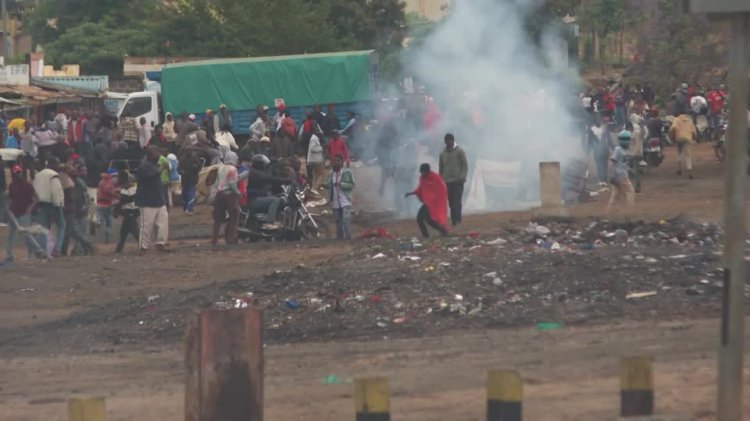
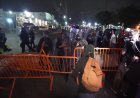
Violent unrest linked to Tanzania’s disputed election spilled across the border into Kenya near the Namanga crossing, where police used stun grenades, tear gas and live ammunition to disperse demonstrators. Scenes of chaos were reported as protesters scattered amid gunfire; a wounded person was carried then abandoned as officers continued firing and later dragged a body along the ground. Youths set bonfires and tore down posters of Tanzanian President Samia Suluhu Hassan. Kenyan authorities said two people died after fleeing clashes with Tanzanian police.
The unrest follows a contested vote in which two leading opposition figures were removed from the presidential race—one detained on treason charges and another disqualified—prompting accusations that the election was engineered to guarantee President Samia a second term. Opposition supporters in major Tanzanian cities, including Dar es Salaam, Mwanza and Dodoma, staged protests after preliminary results showed lopsided leads for Samia in many constituencies; official tallies reported near 95% support in parts of the country. Police in Dar es Salaam responded with tear gas and gunfire to disperse crowds and imposed an overnight curfew. Authorities also closed major roads, including routes to the international airport, and ordered civil servants to work from home while internet access remained significantly disrupted nationwide.
International observers and lawmakers voiced concern: the European Union described the vote as fraudulent, and Amnesty International called reported killings and internet shutdowns “deeply disturbing,” warning that cutting connectivity could inflame tensions further. Rights groups say access to information is being curtailed even as protesters employ messaging apps to coordinate. The government and military blamed “bad characters” for damage and violence during polling, while security forces maintained a heavy presence on key roads and in urban centers.
With the main opposition party partly boycotting and only minor parties cleared to contest, analysts see the election cementing Samia’s party dominance—an outcome critics argue reflects a narrowing political space since she took office in 2021. The unrest highlights widespread anger over perceived democratic backsliding, reports of arrests and abductions of critics, and growing polarization as Tanzania heads toward a highly contested political transition.