Thailand seizes U.S. e-waste shipment
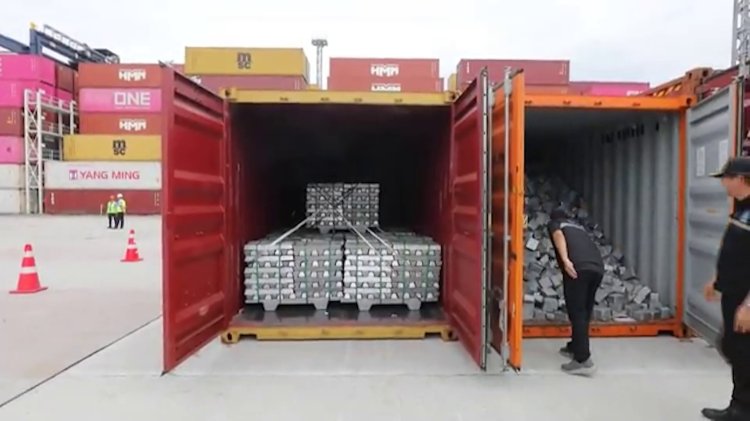
Thai authorities intercepted 238 tons of illegal electronic waste from the United States at Bangkok Port. It was falsely declared as mixed metal scrap in ten containers, discovered during a routine inspection revealing circuit boards among metal scrap. This highlights the persistent global challenge of illicit e-waste trade, often directed towards developing nations like Thailand, following stricter regulations elsewhere. E-waste poses severe environmental and health risks due to hazardous materials like lead, mercury, and cadmium. Improper handling contaminates soil and water, exposing communities to dangerous substances and health issues. Thailand banned e-waste imports in 2020, expanding the list of prohibited materials from 428 to 463 items in 2025. Customs is pursuing charges for false declaration and illegal import, intending to return the waste to the United States. The United States has not ratified the Basel Convention, complicating efforts to prevent such exports to countries with less robust recycling infrastructure. Global e-waste volume is escalating: 62 million metric tons in 2022, projected to reach 82 million by 2030. Only 22% was recycled in 2022, a rate expected to decline due to consumption, limited repair, shorter lifecycles, and inadequate infrastructure. This incident underscores the urgent need for international cooperation and stricter enforcement against the growing e-waste crisis. Investigation suggests involvement of two factories in Samut Sakhon province in the illegal scheme.