U.S. boosts forces in Puerto Rico
Deployment expands as Washington increases pressure on Venezuela
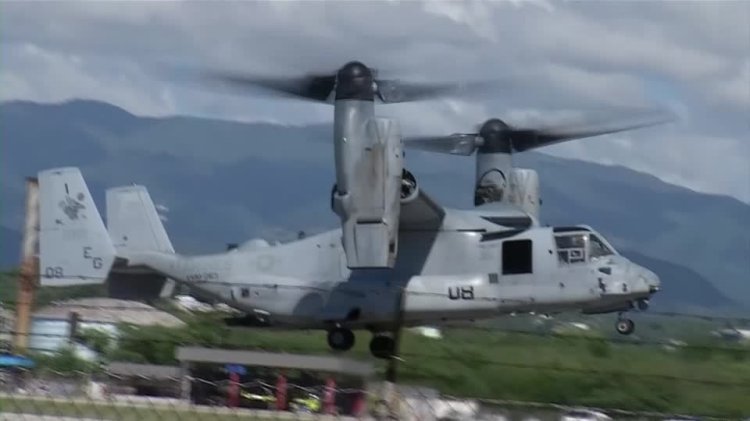
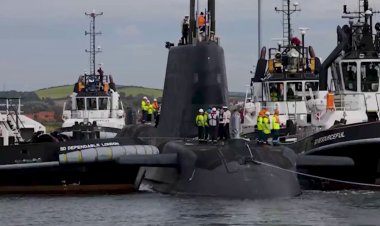
The United States has significantly increased its military presence in Puerto Rico, deploying Osprey aircraft, F‑35s, helicopters, naval ships, amphibious forces and thousands of additional personnel as Washington steps up pressure on Venezuela. Roosevelt Roads Naval Station on the island’s eastern coast has been rapidly reactivated to host fighter jets, surveillance platforms, Marine units and expanded air operations, while naval vessels and amphibious forces operate in surrounding waters. U.S. officials describe the deployment as aimed at strengthening regional security, countering drug‑trafficking routes and improving rapid‑response capacity across the Caribbean.
The buildup follows heightened U.S. actions toward Venezuela — including strikes on suspected drug‑smuggling boats, threats of military action, designation of Cartel de los Soles as a foreign terrorist organization, and reports that Venezuelan President Nicolás Maduro discussed terms for leaving office in a recent phone call with U.S. President Donald Trump. Analysts say the scale and composition of forces—combining naval assets, Marines and intelligence‑gathering platforms—point to a sustained strategic posture rather than a short‑term exercise, reflecting concern over regional instability and growing tensions with Caracas.
Local responses in Puerto Rico have been mixed. Some officials welcome the economic stimulus from renewed activity at the former base and related investment, while critics warn the island risks being drawn into great‑power contestation without adequate public consultation. Environmental and community impacts associated with past military operations have prompted calls for transparency about the deployment’s objectives, timeline and rules of engagement.
Pentagon statements stress the mission’s focus on security and counter‑narcotics, but observers note the rapid reactivation of infrastructure, frequent amphibious drills and enhanced air capability underscore broader strategic calculations in the Caribbean. The surge represents the most substantial U.S. military activity on the island in about two decades, reshaping Puerto Rico’s strategic importance amid escalating uncertainty in the region.