

U.S. missile reserves strained by Iran war
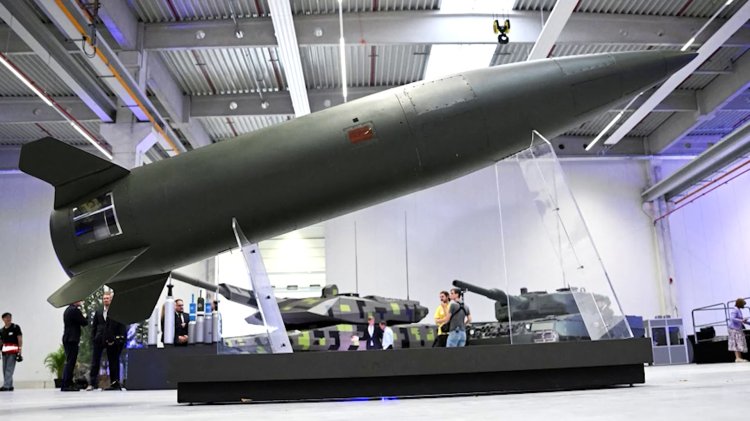
The U.S. military has used much of its stockpile of highly accurate long-range missiles during its five-month war with Iran, raising concerns about readiness for future conflicts. The weapons most affected are the Army’s ATACMS and Precision Strike Missiles, with sources saying the U.S. has used virtually all of them. The depletion has not been previously reported, and officials declined to disclose exact numbers.
These missiles are a key part of the U.S. arsenal because they can strike targets from a safe distance. ATACMS has also been important in Ukraine, and the newer PrSM is meant to replace it. Analysts say both systems, which cost more than $1 million each, would also matter in any conflict with China. The drawdown has fueled worries that the U.S. may have less ability to deter Russia or China if another crisis emerges.
A fourth source said Central Command has nearly exhausted the land-based missiles it had before the war, though it has reloaded from other U.S. stocks. The White House defended the situation, with Trump saying the U.S. has far more munitions than anyone else and that defense companies are producing record amounts. Pentagon officials said the military still has a deep arsenal to execute missions when needed.
Internal concerns have grown: U.S. military leaders warn Patriot and Thaad interceptors are running low. One analysis estimates 65% of Patriot and at least 38% of Thaad interceptors have been used since the conflict began. The U.S. has also used nearly half of its global Tomahawk stockpile, while production ramps up to replenish inventories.