Libya teachers' strike delays school year
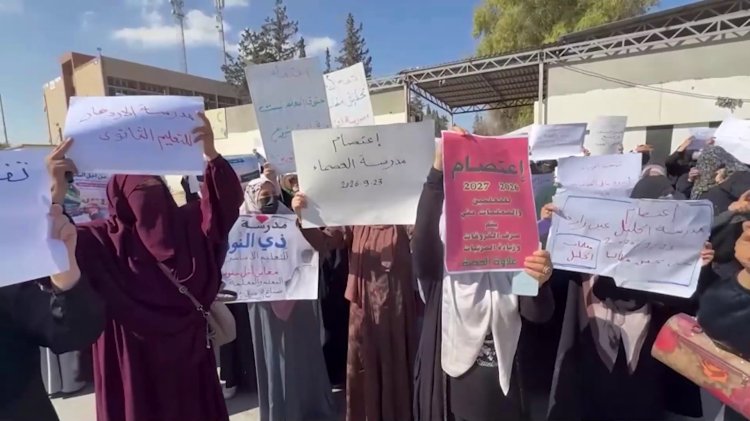
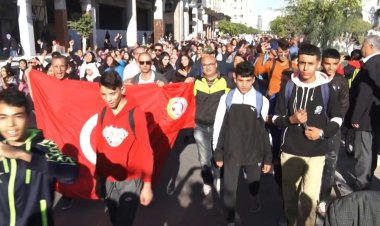
Libyan public school teachers have launched an open-ended nationwide strike, disrupting education and delaying the academic year. Sit-ins on September 13, 2026, escalated to a full strike on September 27. Teachers protest inadequate salaries and deteriorating working conditions.Their demands include improved financial compensation, a unified pay scale, settlement of outstanding claims, stronger legal protections, health insurance, and benefits for principals and administrative staff. Many educators report working second jobs due to low salaries.The strike has impacted 1.6 million public-school students across Libya, leaving parents anxious. Protests were held in Tripoli, Benghazi, and Misrata, with teachers demanding their rights.The Ministry of Education, led by Minister Al-Gryou, attempted to address the situation. On September 15, the minister met union representatives to discuss a roadmap. The dispute continued. On September 27, Minister Al-Gryou ordered schools to reopen immediately, emphasizing students' right to education.The General Teachers' Union rejected this directive, accusing the minister of ignoring their demands. The union asserts that only teachers and their unions can decide when to end the strike, demanding tangible action over government promises.This confrontation highlights Libya's broader governance challenge. The teachers' movement tests institutional authority. Libya's education system already faces challenges: damaged infrastructure, overcrowding, and educator shortages, exacerbated by instability since 2011. The current strike adds another layer of upheaval to an already strained system.