Whale strandings alarm Brazil's coast
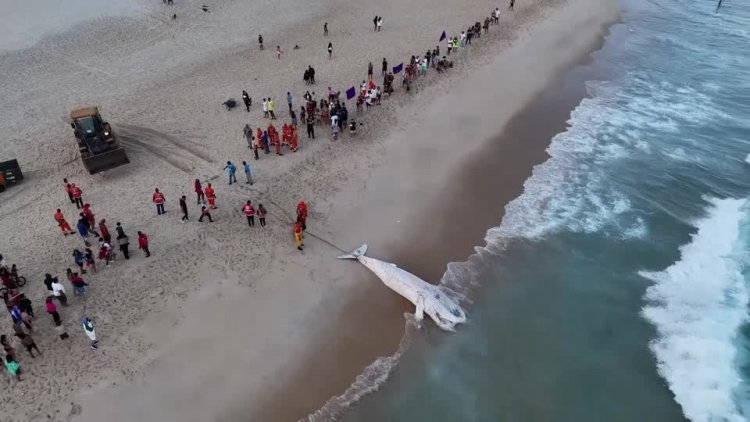
The recurring whale strandings along Rio de Janeiro's coastline have raised concerns among marine biologists and environmental experts. These incidents are not merely isolated events but potentially indicative of broader ecological challenges facing marine ecosystems.
Researchers are particularly interested in investigating the underlying causes of these whale deaths. Potential factors could include ocean pollution, climate change impacts, maritime traffic disruptions, changes in marine food chains, or increased underwater noise from human activities. Each carcass represents a critical opportunity to gather scientific data about marine health and potential environmental stressors.
Local environmental agencies have intensified their monitoring efforts in response to these repeated strandings. The coordinated response involving firefighters, municipal workers, and marine researchers demonstrates a growing awareness of the need for comprehensive marine wildlife management.
Tourism and coastal communities are also closely watching these developments. While whale sightings typically attract tourists and generate economic opportunities, repeated strandings could potentially impact marine tourism and raise questions about the overall health of marine populations in the region.
Conservation groups are calling for more extensive research and protective measures. They argue that these incidents could be early warning signs of more significant ecological disruptions that might require immediate scientific intervention and policy changes.
The humpback whale population, which migrates annually along Brazil's coast, plays a crucial role in marine ecosystems. Their health is often considered an important indicator of overall ocean environmental conditions. Each stranding provides marine scientists with valuable research opportunities to understand migration patterns, potential environmental challenges, and the complex dynamics of marine life.