

Alaska storm surge devastates villages
Typhoon Halong remnants destroy homes and force mass evacuations

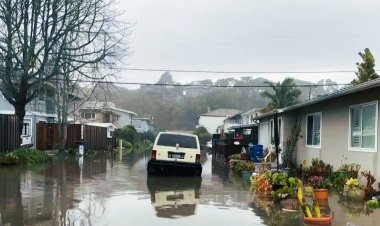
An immense storm surge driven by remnants of Typhoon Halong flooded coastal communities in western Alaska, destroying homes, contaminating fuel supplies and forcing the large-scale evacuation of more than 1,000 residents from remote villages to regional hubs and Anchorage. In Kipnuk, witnesses described houses breaking loose and drifting as water surged through front doors and smashed against windows; one home came to rest a few feet from its original foundation after colliding with another building. At least one person died and two remain missing, officials said.
Makeshift shelters sprang up across the affected region as survivors gathered in schools and community centers. Many evacuees were flown first to Bethel before being transported by military and National Guard flights to Anchorage; officials reported multiple large flights carrying hundreds of people and said more sorties were planned. Anchorage and relief agencies, including the Red Cross, scrambled to expand shelter capacity at arenas, convention centers and recreation facilities and to move people from congregate sites into hotel rooms or dormitories.
Kipnuk and nearby Kwigillingok suffered the worst damage, with water levels more than six feet above the highest normal tide line. Some 121 homes were destroyed across the hardest-hit communities, and dozens more were washed away. Utilities including water, sewer and well systems were knocked out in several villages. Cellphone service and limited school facilities were restored in parts of the region, but widespread infrastructure damage left many settlements uninhabitable.
Residents described polluted streets and homes reeking of leaked fuel and stove oil, and reported the loss of winter food stores—freezers of halibut, salmon and game swept away by floodwaters. Local volunteers and evacuees worked to salvage belongings, rebuild boardwalks used for travel within villages and distribute emergency supplies. Tribal and family networks aided relief efforts, with people driving supplies from nearby communities.
The storm’s impact has renewed attention on federal cuts to grants intended to help small Indigenous villages prepare for storms and mitigate erosion and flooding; officials noted that a previously awarded EPA grant for Kipnuk had been terminated before the disaster. State emergency managers said they were seeking additional sheltering options and had not set a timeline for returning residents, while acknowledging the logistical challenges of serving sparsely populated communities reachable only by air or water at this time of year.