

Andean Glacial Lakes Risk Overflow
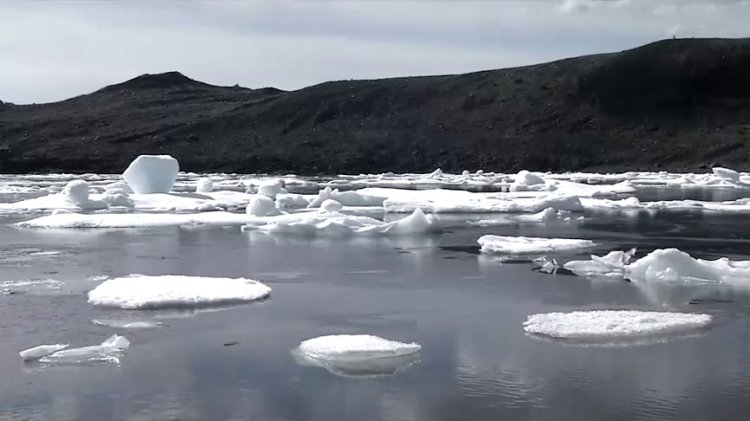
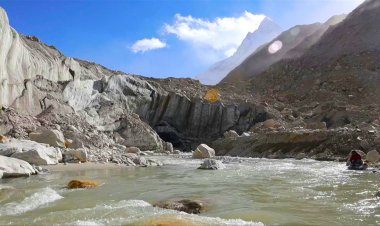
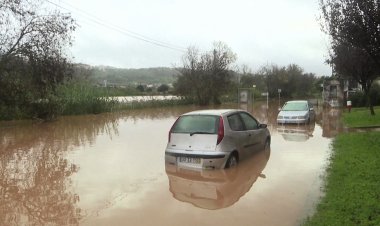
A dire warning concerns the stability of over 500 glacial lakes in the Peruvian Andes. Experts highlight a significant risk of these water bodies overflowing, causing catastrophic downstream floods. This alert underscores severe environmental challenges in the Andean region as global temperatures rise, accelerating glacier melt. Glacial lakes form as meltwater accumulates behind natural dams, often unstable moraine from retreating glaciers. As glaciers recede, these lakes expand, and their natural dams' integrity can be compromised. Should a dam fail or waters overtop from rapid filling, a Glacial Lake Outburst Flood (GLOF) could result. GLOFs are powerful, destructive events: a sudden release of vast water, carrying sediment, ice, and debris. Such floods devastate valleys, infrastructure, agricultural land, and threaten human life in populated areas below. The 500+ lakes indicate widespread vulnerability across the Peruvian Andes, a regional challenge demanding urgent attention. Authorities and local populations in Peru are urged to heighten vigilance and consider proactive measures to mitigate risks. These include enhanced monitoring of precarious lakes, early warning systems for at-risk communities, and engineering to stabilize dams or release water from full lakes. Peru's warning emphasizes robust risk assessment and preparedness to protect vulnerable Andean communities from glacial lake overflow.