Barcelona erupts in anti-tourism protest
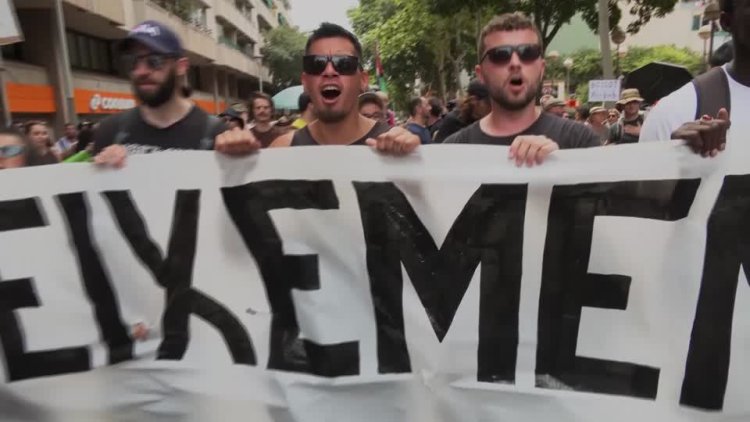
Barcelona residents staged a vibrant protest against excessive tourism, expressing concerns that it is damaging their community. Armed with smoke bombs and water pistols, demonstrators confronted hotel staff, kicked smoke bombs inside hotel lobbies, and taped entrances, highlighting their frustration with the impact of mass tourism. This protest was part of a coordinated effort across Spain, Portugal, and Italy under the banner of Southern Europe against Overtourism.
Activists argue that uncontrolled tourism has driven up housing prices, forcing locals out of their neighborhoods. In a city of 1.6 million, Barcelona attracted 26 million tourists last year, prompting the local government to announce plans to ban apartment rentals to tourists by 2028 to improve livability for residents.
Despite the unfriendly reception from locals, the World Travel and Tourism Council forecasts record tourist numbers for Spain and France this year, with international travel spending in Europe expected to rise by 11% to $838 billion. This increase may be influenced by some tourists opting to avoid the United States due to political and economic factors.
The protest, organized by the Assemblea de Barris pel De Creixement Turístic (Neighborhood Assembly for Tourism Degrowth), aimed to address issues such as rising housing costs, overwhelmed infrastructure, and the erosion of local culture. Protesters highlighted that the rise of short-term rentals, particularly through platforms like Airbnb, has contributed to a 68% increase in rent over the past decade, making housing unaffordable for many locals.
In response to these challenges, Barcelona's Mayor Jaume Collboni announced plans to eliminate all 10,000 short-term rental licenses by 2028 and to increase the tourist tax to fund local infrastructure improvements. This protest reflects a broader movement across southern Europe, with similar demonstrations occurring in cities like Palma de Mallorca, Venice, and Lisbon, as residents advocate for sustainable tourism practices that prioritize local communities over mass tourism.