Boiler blast kills workers in Faisalabad
Authorities say a gas leak triggered the deadly explosion
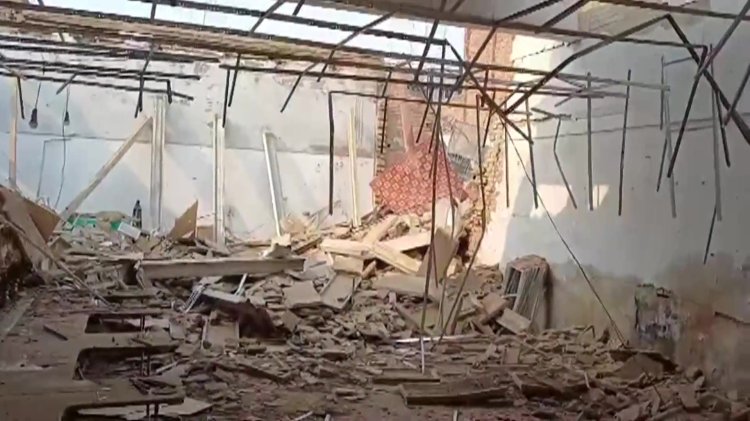
At least 14 people were killed and seven injured after a boiler exploded at a glue-manufacturing factory in Faisalabad, Punjab, officials said. The blast tore through the facility with such force that parts of the roof and walls collapsed and were blown outward, scattering heavy rubble into nearby streets and damaging several adjacent houses. Witnesses described a thunderous boom followed by towering flames and a thick pall of smoke that sent residents rushing from their homes.
Emergency crews — including firefighters, urban-rescue teams and medical personnel — worked through the night to extinguish the blaze and search the wreckage for survivors. Rescuers pulled several workers alive from the debris, many with severe burns; doctors at local hospitals said numerous injured people remain in critical condition. Some victims were so badly charred that identification is expected to take time. Strained by the number and severity of casualties, hospitals requested extra medical supplies and specialist burn-care teams to cope with the influx.
Preliminary investigations indicated the explosion was triggered by a gas leak in a boiler. Authorities are examining whether the boiler had been properly maintained, if mandatory inspections were carried out and whether safety protocols were followed at the factory. Officials also questioned why a potentially hazardous industrial unit was operating within a densely populated residential district — a recurring concern in Pakistan where zoning and enforcement are frequently criticized for being inadequate.
Punjab Chief Minister Maryam Nawaz Sharif visited the site, pledged strict action against those deemed responsible, ordered a full inquiry into the causes and announced compensation for victims’ families. Local residents demanded that authorities relocate hazardous industrial units away from housing to prevent similar tragedies in future.
The disaster renewed criticism from labour groups and safety advocates, who say systemic problems — including lax regulation, corruption, poor enforcement of safety rules and limited worker protections — contribute to frequent, fatal industrial accidents. As rescue teams continued to clear debris, authorities warned the death toll could rise and families of missing workers waited anxiously for news, fearing more victims may still be trapped beneath the ruins.