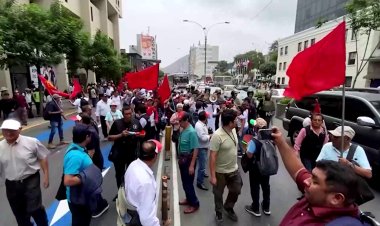
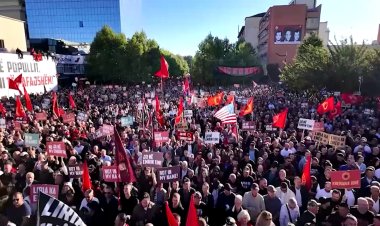
Madrid rally backs Francoist symbols
Protesters opposed memory laws during the demonstration
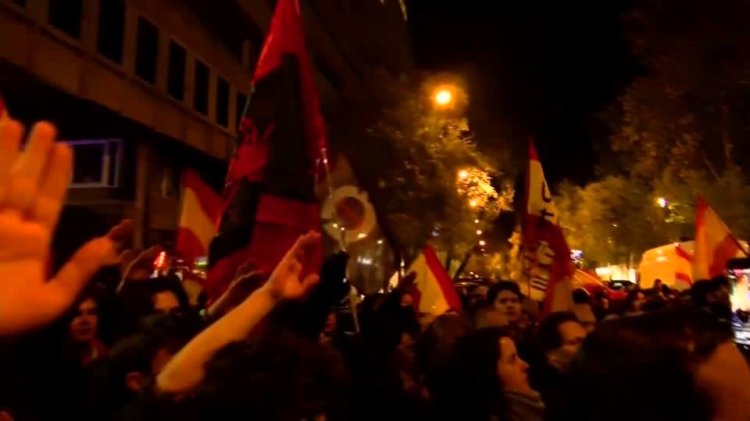
Hundreds of people mobilised in Madrid in a rally organised by the ultra‑right Falange and allied Francoist groups to protest what they called the “regime of ’78” and measures aimed at dismantling symbols of the dictatorship. The demonstration, centred near the re‑named Valle de Cuelgamuros, drew participants who voiced opposition to the 2022 Democratic Memory law and the government’s move to close the Francisco Franco Foundation. Organisers and speakers denounced what they described as the “criminalisation” of Franco’s legacy, framed efforts to remove monuments and honours as an attack on free expression, and demanded a halt to further removals and restorations of honours to figures from the dictatorship.
Thousands of sympathisers also gathered in nearby events, with many demonstrators wearing 1930s‑style black shirts, carrying Francoist banners and chanting slogans invoking national primacy and tribute to the late dictator. Security forces monitored the events closely; a small anti‑fascist counter‑protest produced tense exchanges but no major violence. Organisers argued the state is rewriting history and silencing dissent, while critics and civil‑society voices accused the groups of seeking to legitimize authoritarian symbols and revisionist narratives.
The mobilisations come amid broader concern over a visible revival of Francoist sentiment and growth in far‑right activism. A recent survey of supporters of the far‑right Vox party indicated a notable minority view the Franco era positively, giving added momentum to nostalgia groups and emboldening public displays of allegiance to the dictator. The government has continued policies billed as “settling the debt to the past,” including exhumations from mass graves, removal of contentious monuments and plans to recast the Valley of the Fallen as a site honouring all victims of the dictatorship, not solely Francoists.
Political leaders and memory advocates defended the democratic transition’s commitments to memory, recognition and justice, arguing that confronting past abuses is essential to democratic consolidation. Labour and human‑rights groups warned that tolerating public exaltation of the dictatorship risks normalising authoritarian symbols. Protesters rejected those arguments, insisting that measures taken under the memory law erase a side of national identity and infringe civil liberties.
The demonstrations highlighted persistent, deep divisions over historical memory, national identity and the meaning of Spain’s democratic settlement. While many Spaniards regard the post‑Franco democratic order as firmly established, the events underscored how contentious narratives about the past continue to shape contemporary politics and public life, fuelling tensions between memory‑driven state policies and organised nostalgia for the dictatorship.